

Copyright © 2026 Xiamen Junssen Intelligent Technology Co., Ltd. All Rights Reserved.
Links Sitemap RSS XML Privacy Policy
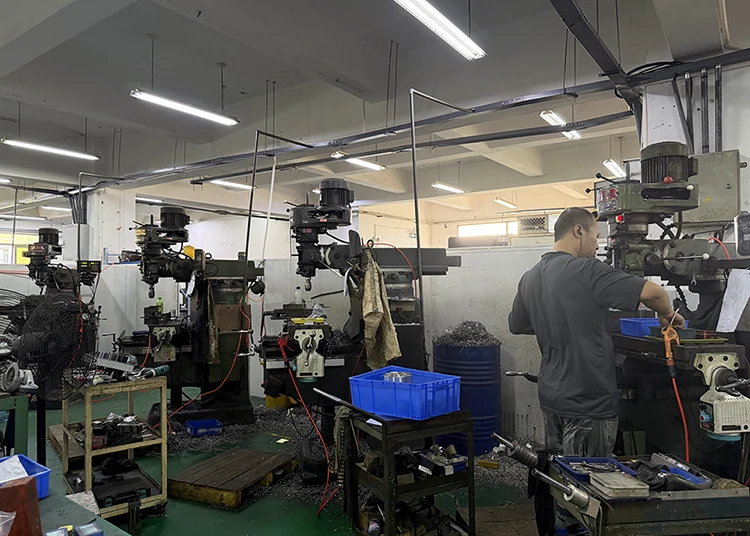
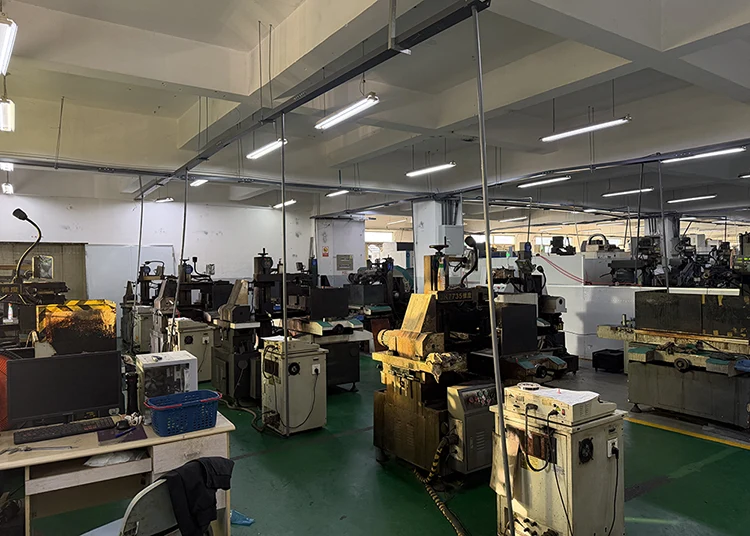
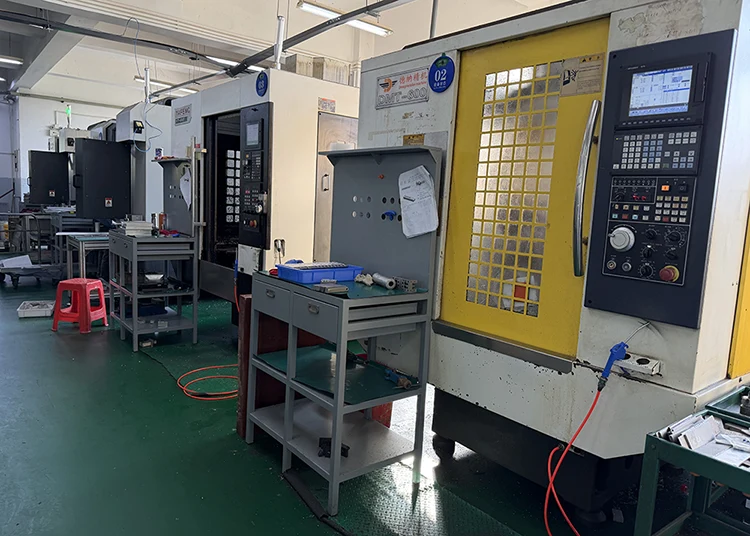
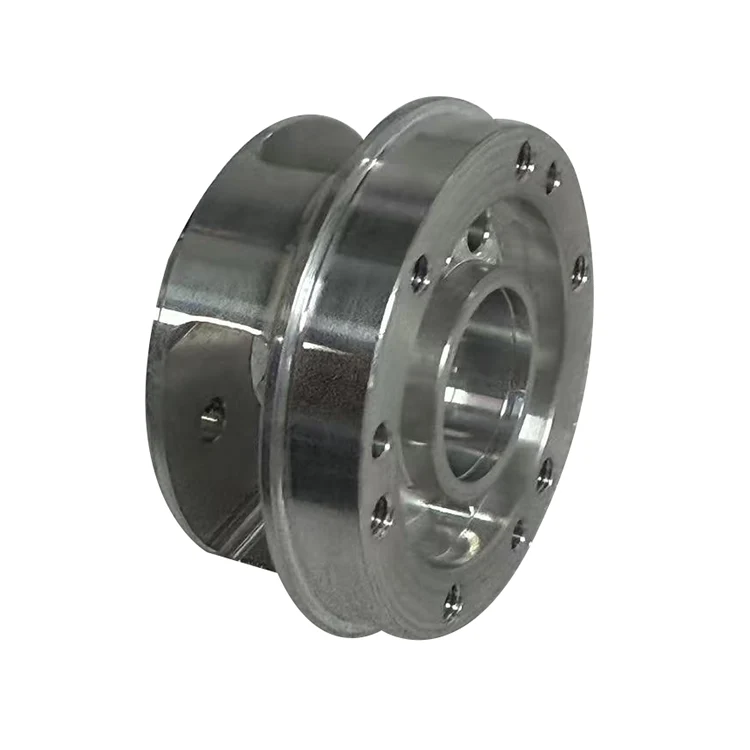
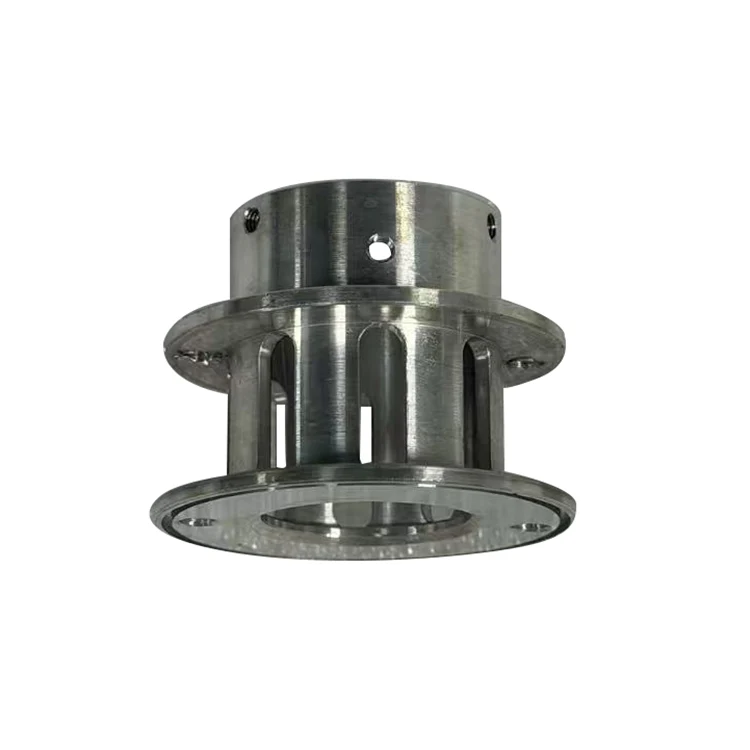
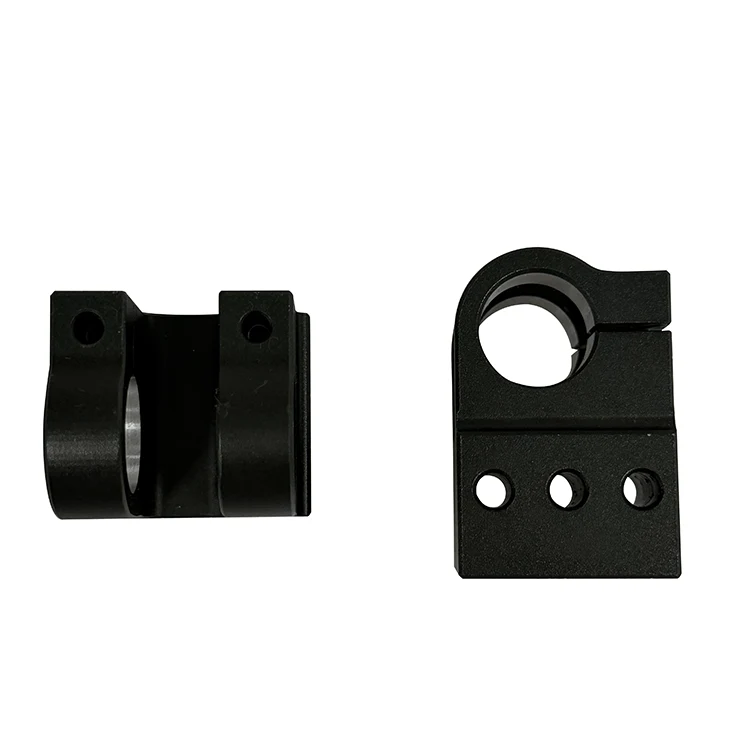
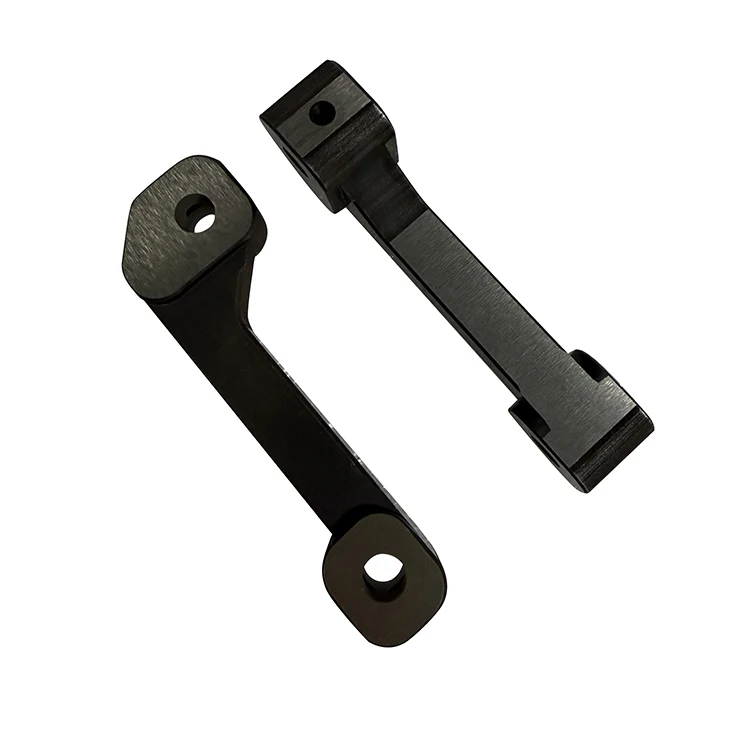
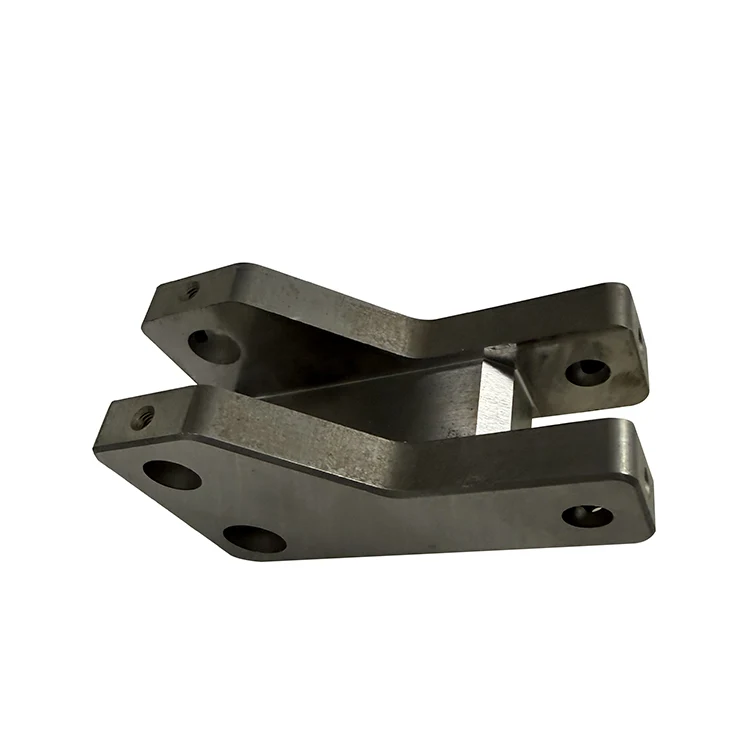
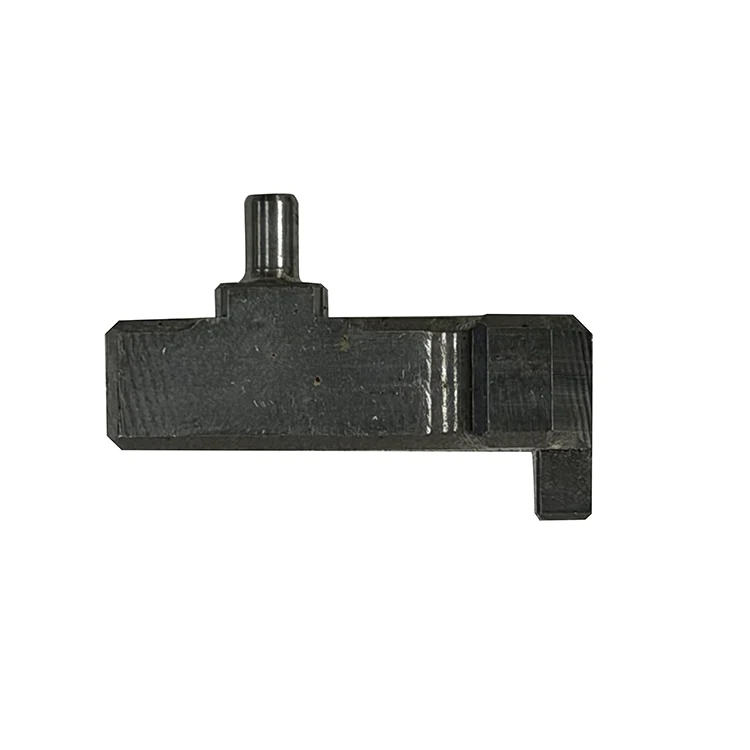
Junssen is your reliable manufacturer of CNC machining. The five axes of the 5-Axis CNC Machining Service can operate simultaneously. During the machining process, the tool can dynamically change its angle and path, continuously cutting complex curved surfaces or polyhedrons. The processing flexibility is extremely high. The cutting tools can approach the workpiece from almost any angle, reducing dead corners and interference, significantly optimizing the processing path. There is no need to stop the machine during the processing as it only requires one operation.
The equipment can simultaneously perform coordinated movements along five independent axes, ensuring extremely high processing accuracy and strong process compatibility. It can machine complex-shaped workpieces with extremely intricate structures.
Compared with traditional machining processes, five-axis machining eliminates the need for multiple disassembly and adjustment of the workpiece during the machining process, resulting in smaller machining errors. The dimensional tolerances of various complex and irregularly shaped structures can be controlled within a smaller range. Products such as aviation components, automotive precision assemblies, and high-performance industrial components, which have Complex Geometry Machine Component, mostly adopt this process - these products generally require multi-angle cutting, deep cavity slotting, and irregular surface forming, which precisely align with the process advantages of five-axis machining.
|
Comparison Item |
Turn-Mill Composite Machining |
Five-Axis CNC Machining |
|
Core Machining Concept |
Integrates turning and milling functions on a single device, mainly completes the combined processing of rotating workpieces through the coordinated movement of the spindle and tool axis |
Relies on five-axis linkage movement, realizes multi-faces and complex surface processing of workpieces through the simultaneous interpolation of multiple linear axes and rotary axes |
|
Basic Structure & Axis Configuration |
Usually has at least one main rotating spindle for clamping workpieces, and is equipped with a milling power head, generally 3-4 linkage axes, and some high-end models have 5-axis capability |
Configured with three linear axes (X/Y/Z) and two additional rotary axes, which can be divided into swing head type, rotary table type and head-table combined type, all support 5-axis simultaneous linkage |
|
Applicable Workpiece Types |
Mainly suitable for shaft discs, rotating parts, valve bodies, engine spindles and other workpieces that require both turning and milling procedures; can process workpieces with rotating geometry and local complex features |
Suitable for complex curved surface parts, such as turbine blades, aerospace mold cavities, impellers, automotive interior mold, medical prosthesis and other parts with complex free-form surfaces |
|
Number of Clamping Times |
Most processes can be completed in one clamping, reducing clamping errors caused by multiple clamping, especially suitable for workpieces that require coaxiality and position accuracy of multiple features |
Complete the processing of all five sides of the workpiece in one clamping, which can avoid the position error caused by repeated clamping of complex curved surfaces |
|
Process Combination Capability |
Can complete turning, milling, drilling, tapping, gear cutting and other processes at one time, truly realizing "one machine completes all processes" for rotating workpieces |
Can complete multi-sided milling, curved surface contouring, steep surface finishing and other processes, but generally does not include large-load turning processing of rotating workpieces |
|
Machining Accuracy |
High position accuracy between turning and milling features, the error from multiple clamping is eliminated, the accuracy of coaxiality and position can be controlled within 0.01-0.05mm |
High contour accuracy for complex curved surfaces, can meet the high precision requirements of aerospace and mold industries, the accuracy is generally controlled within 0.005-0.02mm |
|
Equipment Cost |
Lower than five-axis CNC machine tools, the price of medium-sized turn-mill composite equipment is usually 30%-60% of that of standard five-axis linkage machine tools |
Higher overall equipment cost, including equipment procurement, later maintenance and tool cost |
|
Processing Efficiency for Rotating Parts |
Higher efficiency, there is no need to transfer workpieces between multiple devices, shortening the production cycle and logistics time |
Lower efficiency for conventional rotating parts, the processing of turning features has no advantage over turn-mill composite |
|
Programming Difficulty |
Programming is relatively simple, most of the processing features are conventional turning and milling, which can be completed with general CNC programming software |
Programming is more complicated, requires professional five-axis programming software (such as UG, Mastercam), and requires high technical level of programmers to avoid machining interference and over-cutting |
|
Floor Space |
Smaller footprint, integrate multiple processes in one device, reduce the number of equipment in the workshop |
Generally larger footprint, the structure of five-axis machine tool is more complex, and requires larger installation space |
|
Main Application Industries |
Automobile, hydraulic pressure, valve, general machinery manufacturing |
Aerospace, mold manufacturing, new energy, medical equipment |
5-axis CNC machining is a manufacturing process that uses computer numerical control (CNC) to move cutting tools alongfive different axessimultaneously. Unlike 3-axis machining that only moves tools along X, Y, and Z linear axes, it adds two rotational axes, allowing the tool to approach a workpiece from all directions in a single setup.
The key benefits include: reduced setup time (no need to re-fixture the workpiece multiple times), ability to produce complex 3D shapes and curved surfaces, higher machining accuracy, better surface finish, and lower overall production costs for complex parts.
It works with almost all common manufacturing materials, including aluminum, steel, titanium, other metals, engineering plastics, composites, wood, and foam. The suitable material depends on your part requirements and tool selection.
You should choose it when you need to producecomplex geometric partssuch as molds, aerospace components, automotive prototypes, medical implants, or any parts with undercuts, curved surfaces, or multi-sided features that require multiple setups with 3-axis machining.
While 5-axis equipment and programming have higher upfront costs, it often reduces total project costs by eliminating multiple setups, reducing error rates, and shortening production lead times for complex parts. For simple parts, 3-axis machining still remains more cost-effective.
Standard 5-axis CNC machining can typically hold tolerances between±0.001mm to ±0.01mmdepending on part size, geometry, and material. Tighter tolerances can be achieved with specialized precision setups for specific applications.
Copyright © 2026 Xiamen Junssen Intelligent Technology Co., Ltd. All Rights Reserved.
Links Sitemap RSS XML Privacy Policy