

Copyright © 2026 Xiamen Junssen Intelligent Technology Co., Ltd. All Rights Reserved.
Links Sitemap RSS XML Privacy Policy
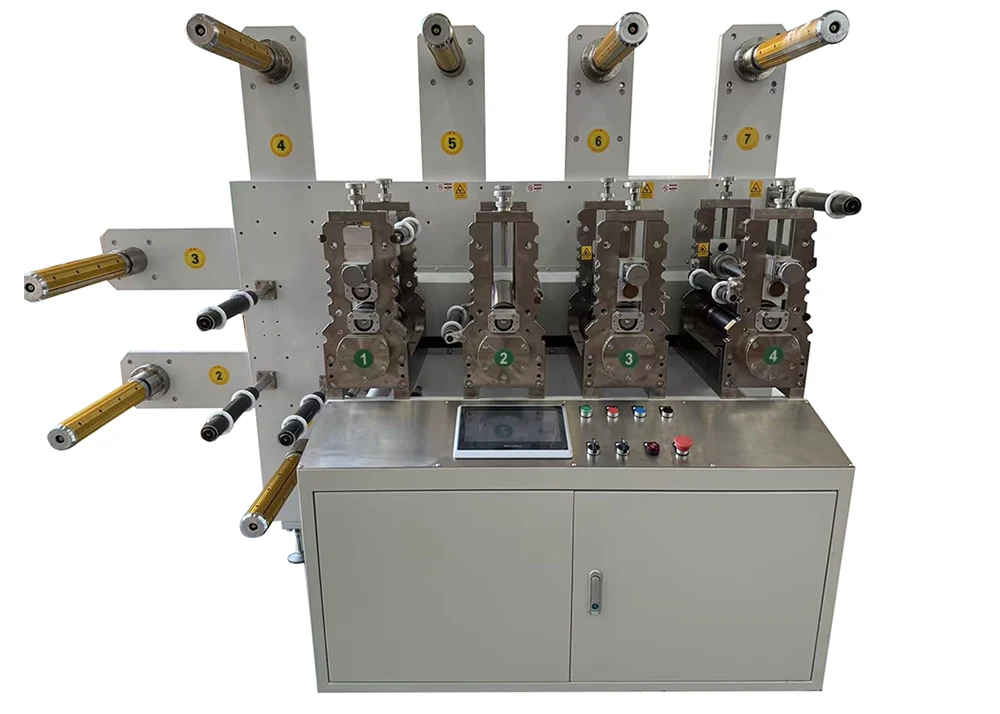
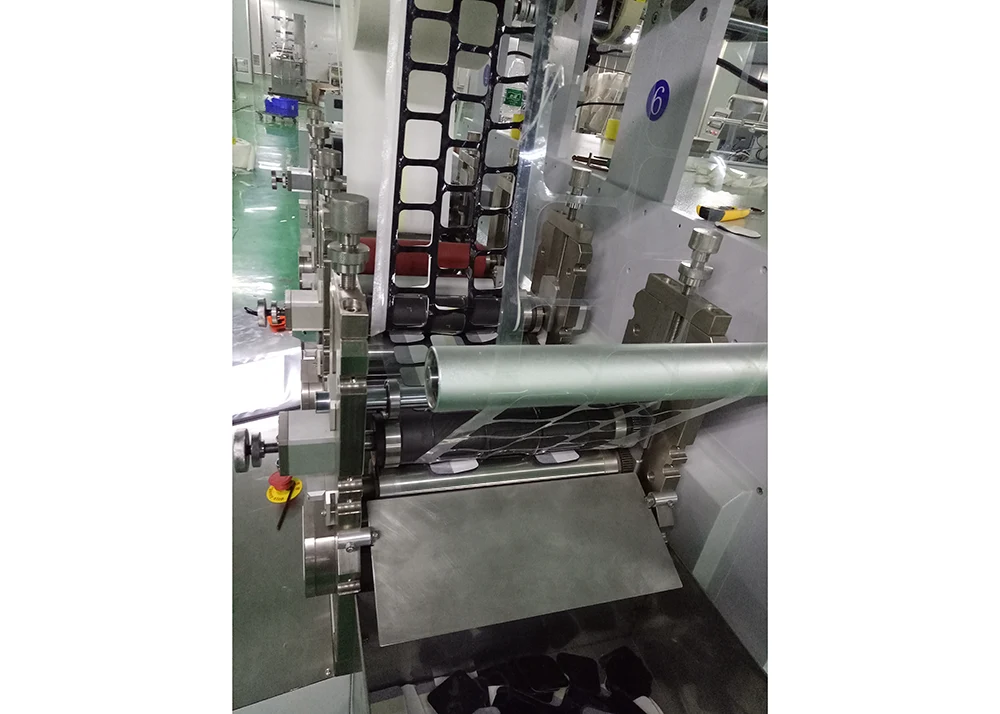
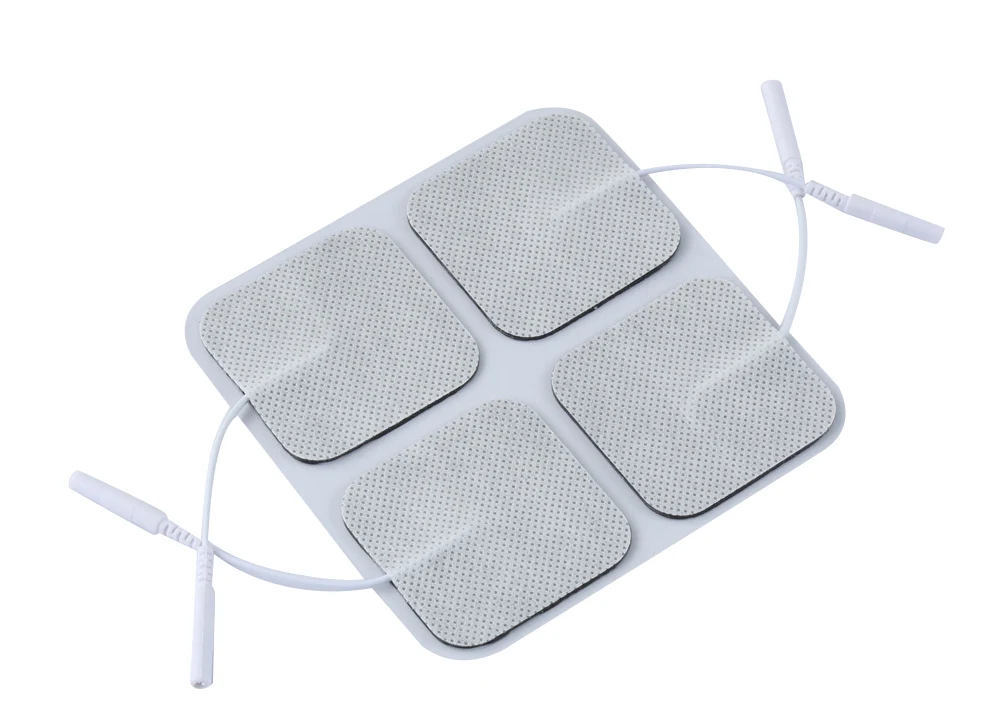
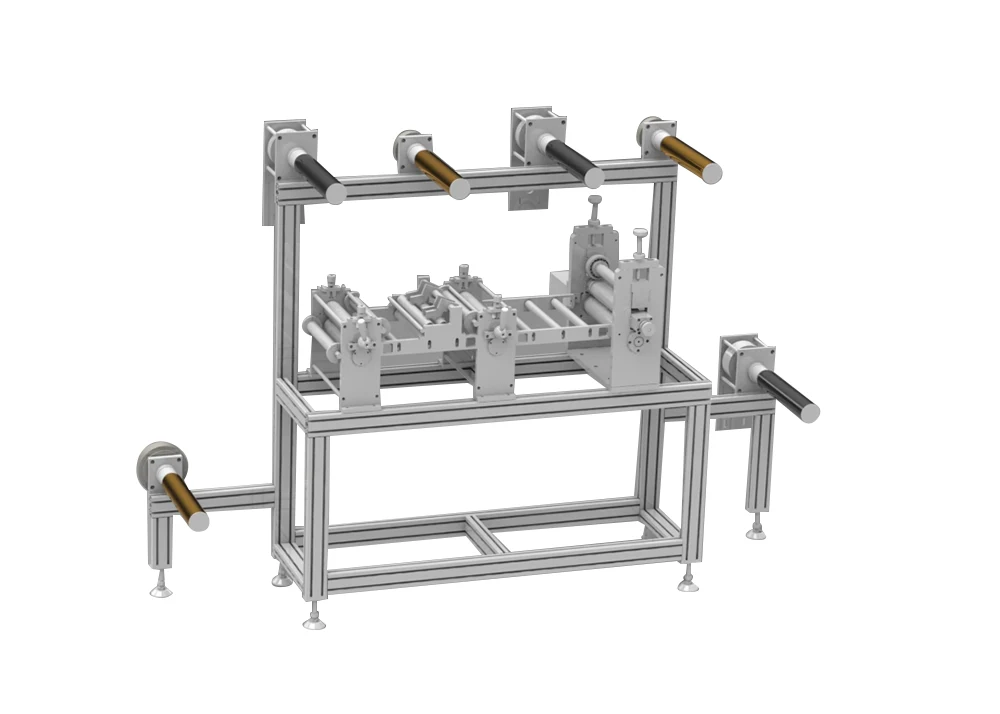
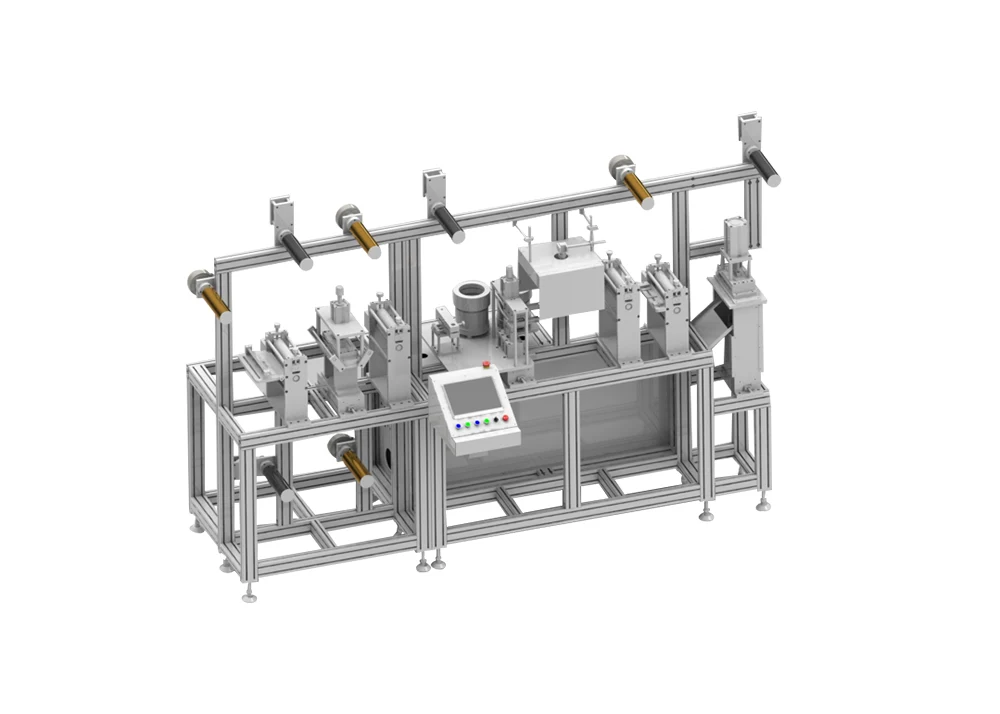
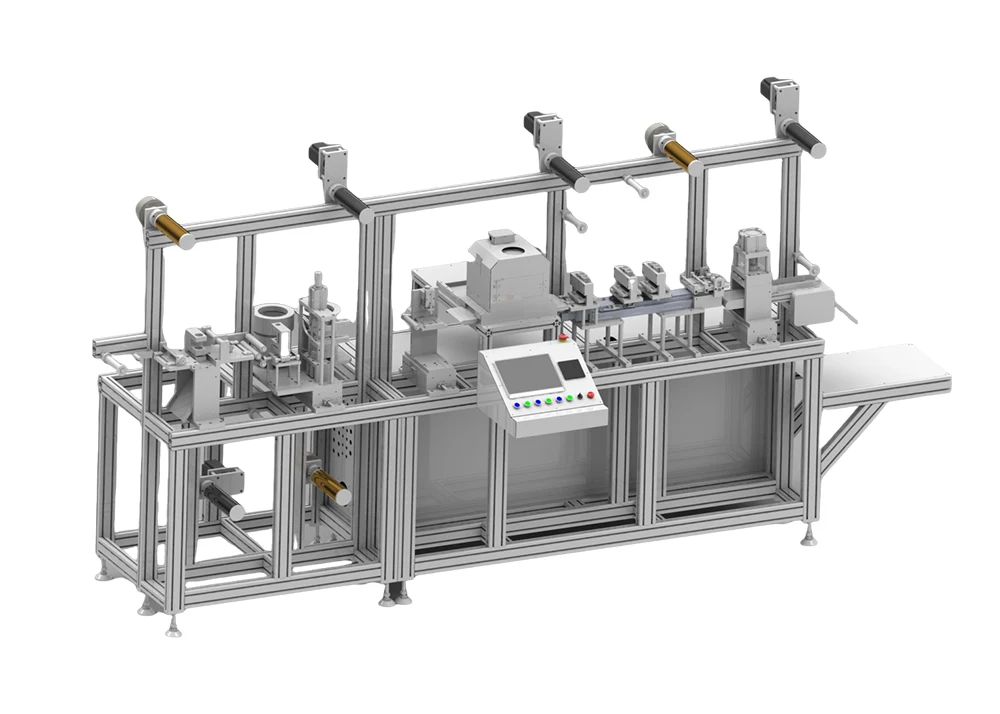
Our Wire-type Therapeutic Electrode Production Machine for Junssen can be customized according to customer requirements. Both the mold and configuration can be flexibly adjusted. Many customers choose us precisely because of our support for OEM services. From design to final shipment, we can meet their needs. The machine supports continuous automated production of wire-connected therapeutic electrodes, integrating multiple key processes such as material feeding, lead wire positioning, pressing and forming in one workflow. It effectively reduces manual intervention, improves production consistency, and lowers labor costs for manufacturers.
The wired TENS electrode production line can complete the production of finished electrode pads with wires. We offer the option of round die cutting and flat die cutting, and are equipped with high-speed equipment, capable of producing 100,000 pads per day.
|
Comparison Dimension |
Production Equipment for Wired Physiotherapy Electrodes |
Production Equipment for Button-type Physiotherapy Electrodes |
|
Core Processing Objectives |
Mainly process the fixed connection between lead wires and electrode conductive layers, requiring stable fixation of wire terminals to avoid falling off during repeated use |
Mainly process the installation and fixation of snap buttons (metal snap fasteners) on the electrode sheet, requiring precise positioning of the button to ensure matching with the connector of the physiotherapy instrument |
|
Required Core Equipment |
1. Wire stripping and crimping machine 2. Wire-conductive layer lamination and pressing equipment 3. Wire terminal sealing and curing equipment 4. Wire length cutting and positioning mechanism |
1. Automatic snap button feeding and riveting machine 2. Button positioning and punching device 3. Metal button conductive connection detection equipment 4. Button installation pressure stabilizing mechanism |
|
Connection Process Requirements |
The lead wire needs to be firmly combined with the conductive layer, usually using conductive adhesive bonding or hot pressing fusion, the equipment needs to control the bonding temperature, pressure and time to ensure stable conductivity, and prevent the interface from oxidation or loosening |
The metal snap button needs to be riveted and fixed on the electrode sheet, and the conductive contact between the button and the conductive layer is required. The equipment needs to control the riveting pressure to avoid the button being too loose to fall off or too tight to damage the electrode structure |
|
Positioning Accuracy Requirements |
Low positioning accuracy requirements, the main thing is to ensure that the length error of the outgoing line is within the allowable range, and the terminal is not offset |
High positioning accuracy requirements, the button center position error usually needs to be controlled within ±0.5mm to ensure that it can be accurately matched with the socket of the physiotherapy instrument |
|
Production Line Process Flow Difference |
Material preparation → conductive adhesive coating → wire terminal positioning → hot pressing bonding → insulation sealing → cutting and forming → finished product testing |
Material preparation → conductive layer lamination → positioning punching → snap button feeding → riveting fixing → conductive testing → cutting and forming → finished product testing |
|
Testing Requirements |
Focus on testing the tensile strength of the lead wire connection, the overall resistance of the electrode, and the sealing performance of the terminal to prevent wire breakage and poor contact during use |
Focus on testing the riveting firmness of the snap button, the conduction resistance between the button and the conductive layer, and the matching size of the button to ensure that it can be quickly plugged and pulled out with the physiotherapy instrument |
|
Production Efficiency |
Lower production efficiency, because the lead wire processing and positioning steps are cumbersome, usually 10%-20% lower output per unit time than button type |
Higher production efficiency, automatic snap button feeding and riveting can achieve continuous high-speed production, suitable for large-scale mass production |
|
Equipment Cost |
Relatively lower, the core processing equipment has a simple structure, and the investment in customized transformation is small |
Relatively higher, requiring high-precision positioning mechanisms and automatic feeding systems, and the price of complete sets of equipment is about 15%-30% higher than that of wired equipment |
|
Adaptability to Product Specifications |
Strong adaptability, it can produce electrode sheets of different sizes by adjusting the wire length and cutting parameters, and it is convenient to switch production of multi-specification products |
Poor adaptability, different button sizes need to be replaced with corresponding feeding molds and positioning fixtures, and it takes a long time to adjust when switching product specifications |
If you are looking for a reliable, high-precision and flexible solution for manufacturing wired therapeutic electrodes, ourTENS Electrode with Lead Wire Making Machine can meet all-round requirements ranging from high-speed production to strict quality control. Please feel free to contact us for a customized quote, or arrange a demonstration at your company's site.
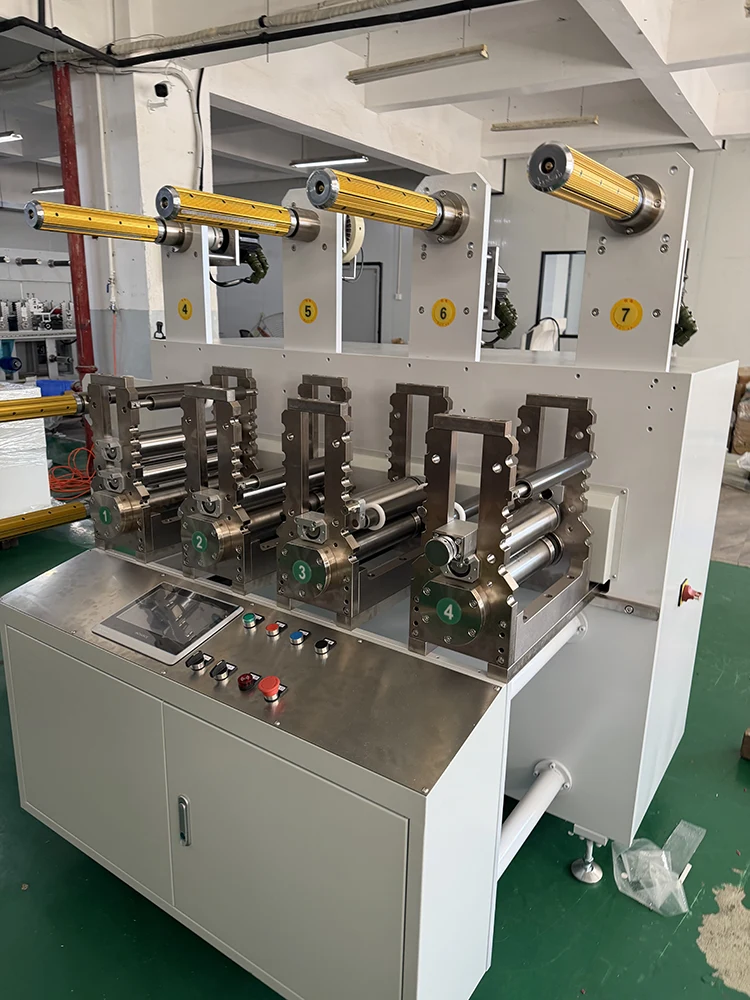
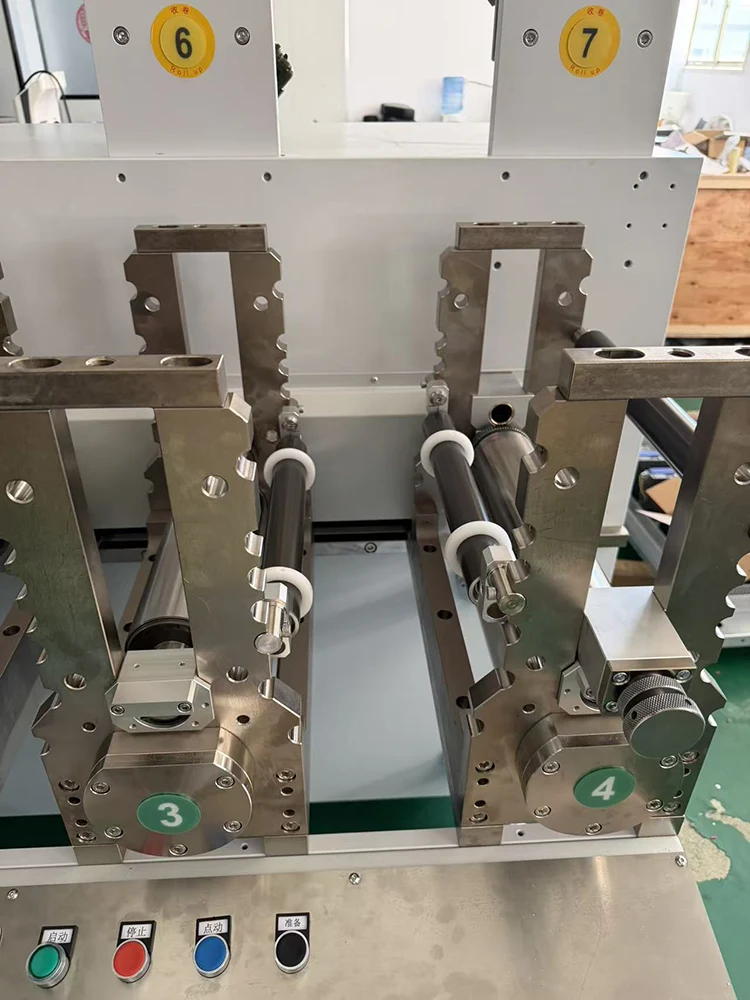
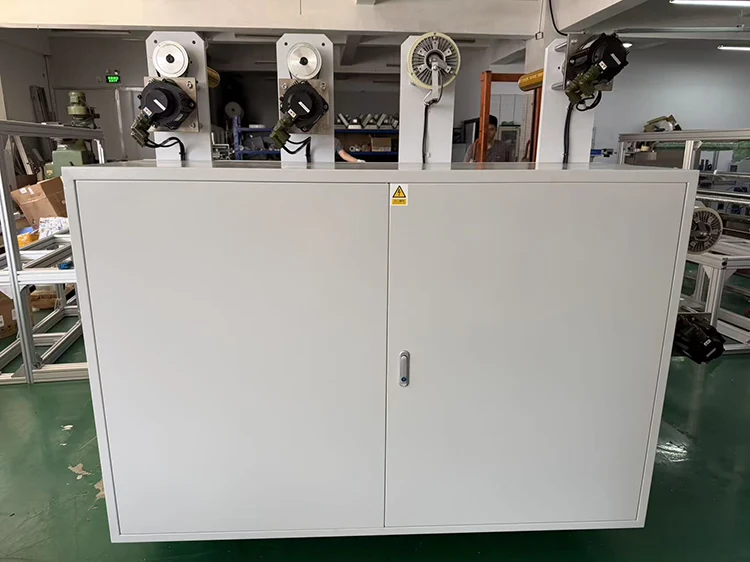
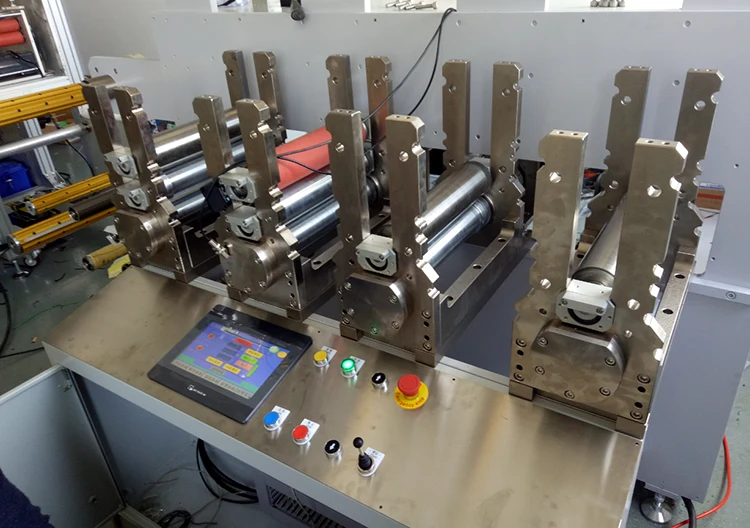
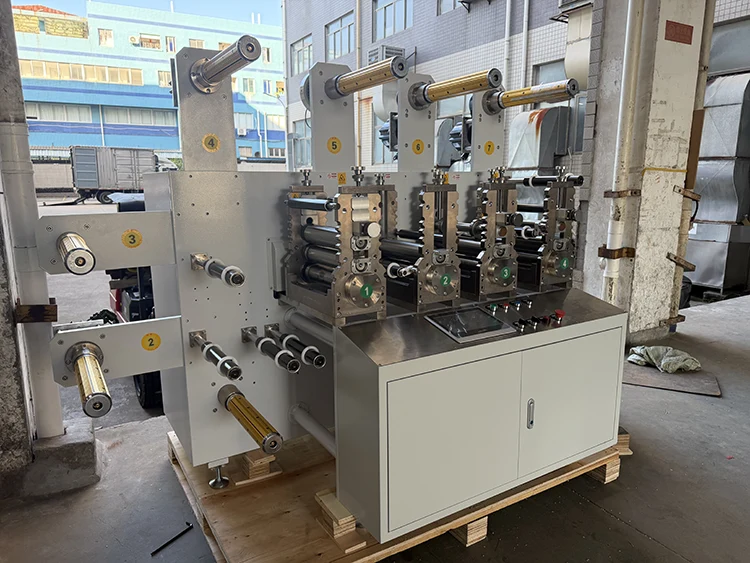
The whole frame of physical therapy electrode pad die-cutting machine is made of steel plates, which delivers rigid and stable overall structure.
It completes all core procedures in one machine: hydrogel unwinding, conductive fabric & hydrogel bonding, non-woven fabric lamination, hydrogel contour die-cutting and release film shape cutting.
Support fast switching between different electrode pad specifications, and realize continuous stable cutting for electrode pads with different thicknesses.
Adopts rotary die-cutting station with cylindrical rotary mold and pressure roller, featuring fast speed, high precision and smooth running.
Driven by high-precision servo motor + precision gear transmission system, it maintains accurate registration even under high-speed operation to guarantee consistent cutting quality.
Once material offset occurs during processing, operators can fine-tune parameters directly on the HMI touch screen without stopping the machine.
Greatly cut downtime loss and improve overall production efficiency.
Built-in multiple tension sensors matched with closed-loop control algorithms.
Real-time monitoring and dynamic tension adjustment for hydrogel, conductive fabric, non-woven and other raw materials in unwinding & conveying stages.
Effectively avoid common defects: material wrinkling, interlayer misalignment and stretching deformation caused by uneven tension.
Constant tension control ensures uniform size, outline and lamination alignment of finished electrode sheets.
Roll-to-roll continuous die-cutting design minimizes manual operation, lowers labor cost, and greatly improves the integration & automation level of the whole production line.
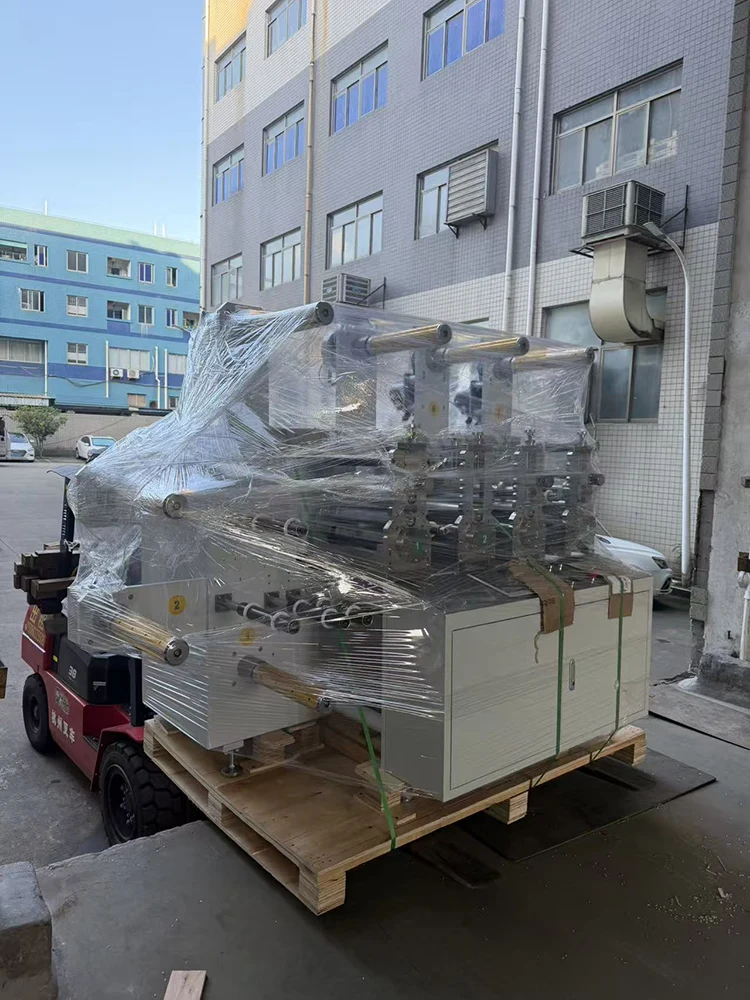
All machines are shipped directly from our factory with short lead times. We pack equipment with export-grade fumigation-free wooden cases, and offer flexible shipping options including sea freight, air freight and door-to-door delivery. Every unit undergoes multi-layer strict inspection before shipment. A full set of customs clearance documents can be provided upon your request to match all your logistics demands.
Copyright © 2026 Xiamen Junssen Intelligent Technology Co., Ltd. All Rights Reserved.
Links Sitemap RSS XML Privacy Policy