

Copyright © 2026 Xiamen Junssen Intelligent Technology Co., Ltd. All Rights Reserved.
Links Sitemap RSS XML Privacy Policy
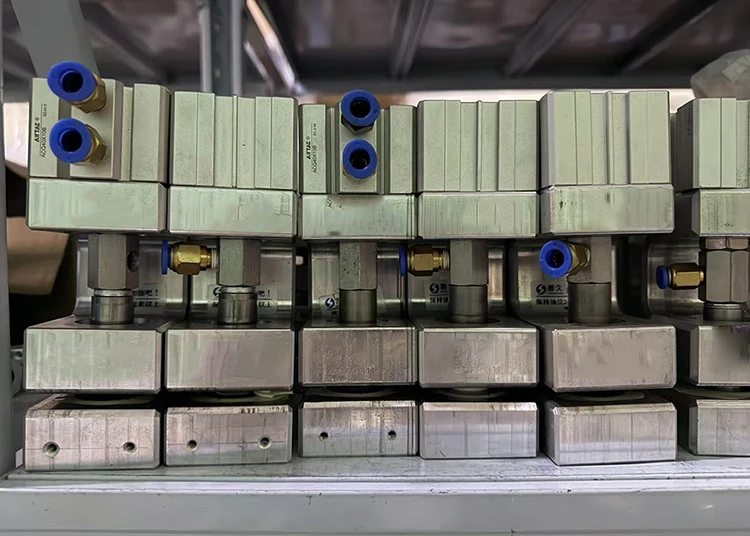
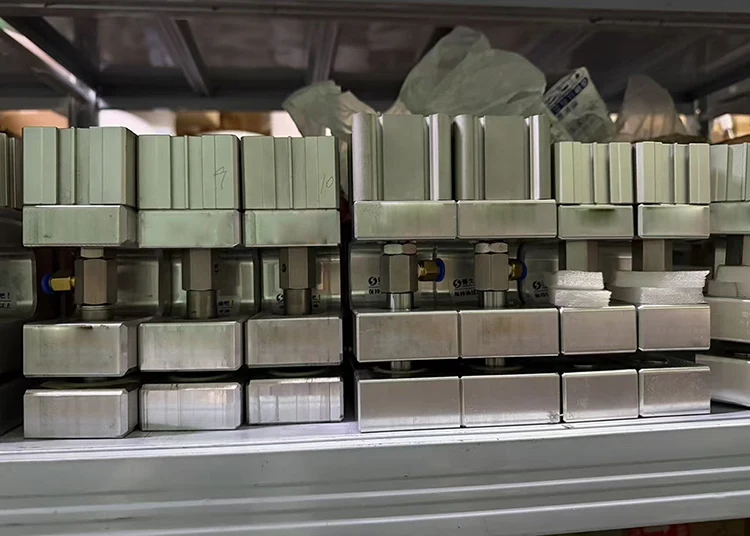
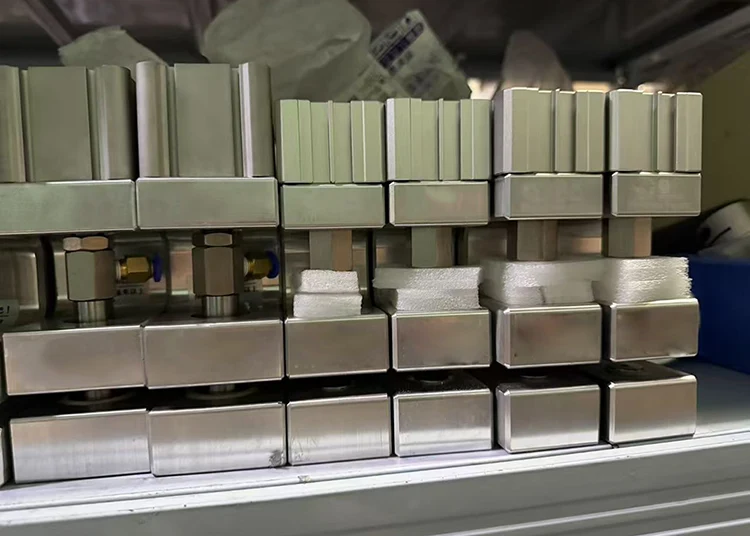
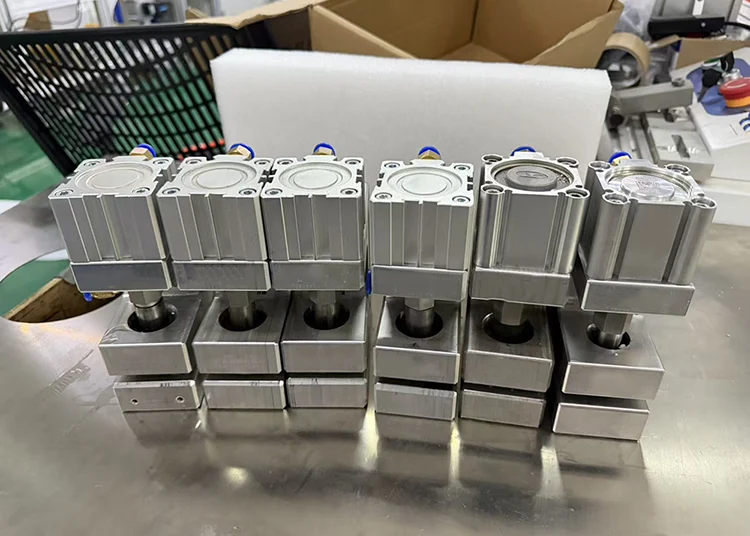
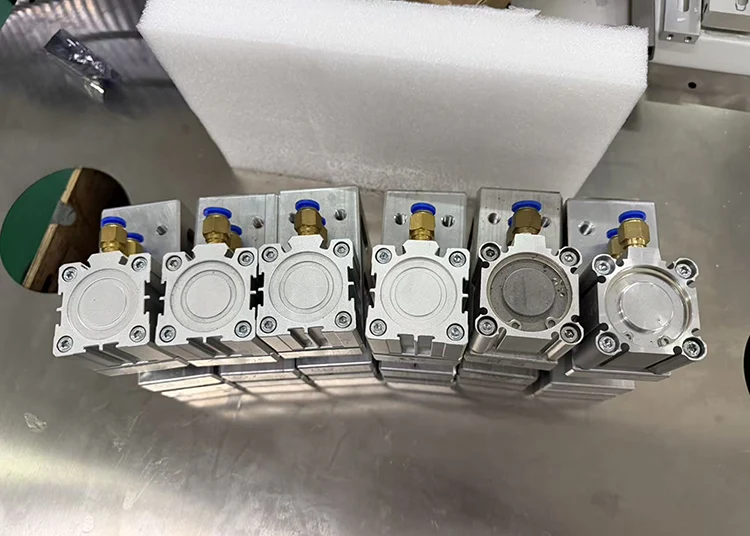
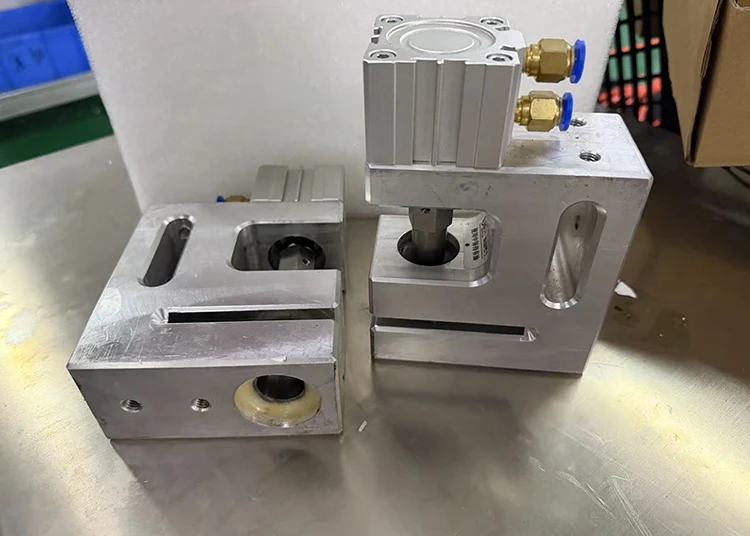
As the manufacturer of Blanking Dies, the core power component of Junssen's pneumatic punching molds is the standard pneumatic cylinder. Its structure is much simpler than the hydraulic power system, and there are no problems such as oil leakage and oil passage blockage that may occur in the hydraulic system. Daily maintenance only requires regular checks of the air pressure and adding lubricating oil to the guiding mechanism. At the same time, when a punch or die becomes worn, it can be ground on a grinding machine to restore its sharpness.
The non-woven fabric stamping die is powered by compressed air. There is no risk of electric leakage or fire. The compressed air itself is non-toxic and harmless. After being discharged, it will not cause pollution to the environment, nor will it lead to pollution of the workpiece and the workshop due to hydraulic oil leakage. At the same time, the pneumatic punching die can be conveniently equipped with safety detection devices. If during the operation, someone accidentally extends their hand into the processing area, the pneumatic system can quickly cut off the air supply and stop the punching process, avoiding safety accidents.
|
Influencing Factor |
Specific Description |
Impact on Mold Service Life |
|
Workpiece Material |
1. Soft materials: leather, paper, plastic, medical hydrogel dressings2. Hard materials: stainless steel, high-strength steel plate |
Soft materials → Low abrasion, longer service lifeHard materials → Fast wear, shorter service life |
|
Punching Clearance Gap |
Improper gap setting between punch and die |
Accelerates wear of cutting edge, shortens lifespan |
|
Daily Maintenance |
1. Regularly lubricate guide sleeves & moving parts2. Clean residual waste inside mold cavity after use3. Timely regrind blunt cutting edges |
Standard daily maintenance greatly extends mold durability; neglected molds wear quickly |
|
Punching Air Pressure Control |
Long-term operation under air pressure exceeding rated standard |
Causes severe fatigue damage to internal mold parts; match pressure to material thickness to cut extra abrasion |
Preparation → Punching Processing → Quality Inspection → Post-shutdown Care → Daily Maintenance
1.Prep: Adjust positioning + fix workpiece
2.Process
Manual: Trigger pneumatic punch → auto reset
Auto: Pre-set program for continuous punching
3.Inspect finished workpiece quality
4.After use: Vent air → clean waste → lubricate → dry storage
5.Daily upkeep: Check fasteners/edges, grind worn cutting edge timely
1. Hole punching for packaging bags: This is usually an accessory for the bag-making machine, used to make handle holes or ventilation holes for plastic bags and paper bags.
2. Applicable materials: For PO/PP/PE and other plastic films of Disposable Dispersive Pad Forming Tool, as well as paper-plastic composite materials, for hole punching. It can also process soft polymer materials, conductive films for medical negative plates, and pre-shaped medical dressing raw materials, meeting the blanking and forming requirements of different thin-layer soft materials in industrial and medical fields.
3. Manufacture of disposable medical consumables: As a special forming die for disposable negative electrode plates and medical dressing products, it can quickly complete high-precision blanking and forming of raw materials, adapt to large-scale automated production lines, and ensure the consistent size and cutting quality of each product.
4.Electronic and new energy industry: It is used for blanking processing of conductive thin films and flexible insulating materials that are matched with battery cells, meeting the size accuracy requirements of special thin parts in the industry.
5.Packaging and printing industry: It can complete the punching and blanking of trademark materials, self-adhesive labels and flexible packaging films, which meets the requirement of batch high-precision processing in the industry.
6.Automotive interior processing: It is used for punching and blanking of flexible interior decorative films and adhesive cushion materials, which can adapt to the processing needs of different special-shaped sizes and meet the mass production standards of the industry.
It is a precision stamping tool used to cut flat materials, such as metal sheets, plastics, and cardboard, into specific shapes. During the process, the separated piece becomes the final product component, while the remaining material is treated as scrap.
The main difference is the purpose of the cut material. In blanking operations, the removed piece is the required finished part, while the remaining sheet is waste material. In punching processes, the removed section is discarded, and the hole created in the original sheet is the desired result.
Common materials include tool steels such as D2 and SKD11 for high-volume production requiring excellent wear resistance, carbon steel for simple applications and prototypes, and carbide materials for demanding projects that require maximum hardness and extended service life.
Burrs are usually caused by incorrect clearance between the punch and die, worn cutting edges, or insufficient material positioning. They can be reduced by optimizing the clearance according to material thickness, maintaining sharp cutting edges, and ensuring stable workpiece fixation during operation.
The correct clearance depends on the material thickness, hardness, and tensile strength. For most metal applications, the clearance is typically set within a suitable percentage of the material thickness. Harder or thicker materials generally require larger clearance, while softer and thinner materials need smaller clearance.
Regular maintenance includes cleaning material residue from cutting surfaces, checking for wear or damage, tightening loose components, lubricating moving parts, and storing the tool in a clean and dry environment when not in use. Proper maintenance helps maintain cutting accuracy and extend service life.
Copyright © 2026 Xiamen Junssen Intelligent Technology Co., Ltd. All Rights Reserved.
Links Sitemap RSS XML Privacy Policy