

Copyright © 2026 Xiamen Junssen Intelligent Technology Co., Ltd. All Rights Reserved.
Links Sitemap RSS XML Privacy Policy
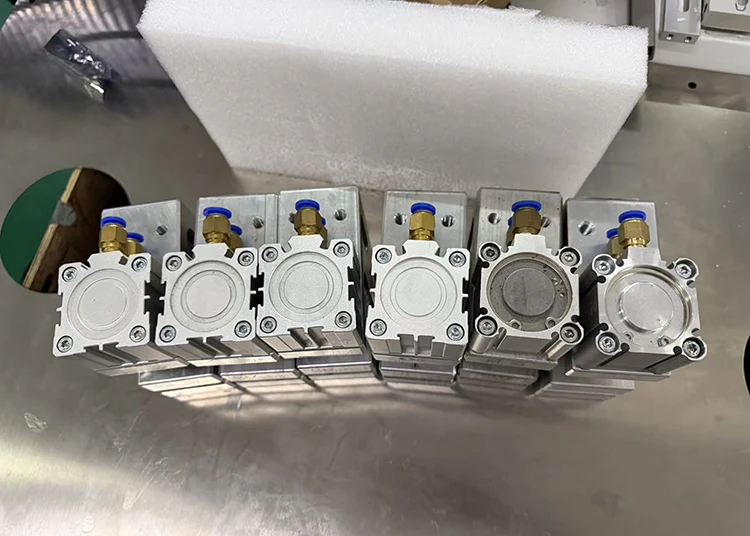
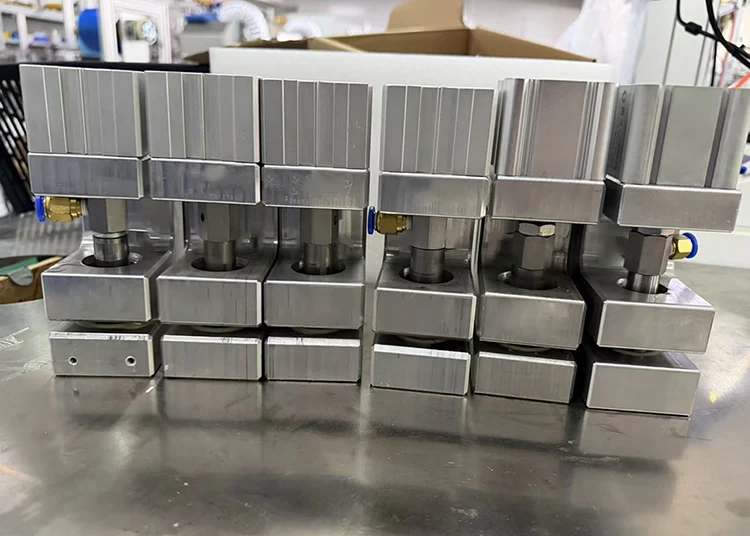
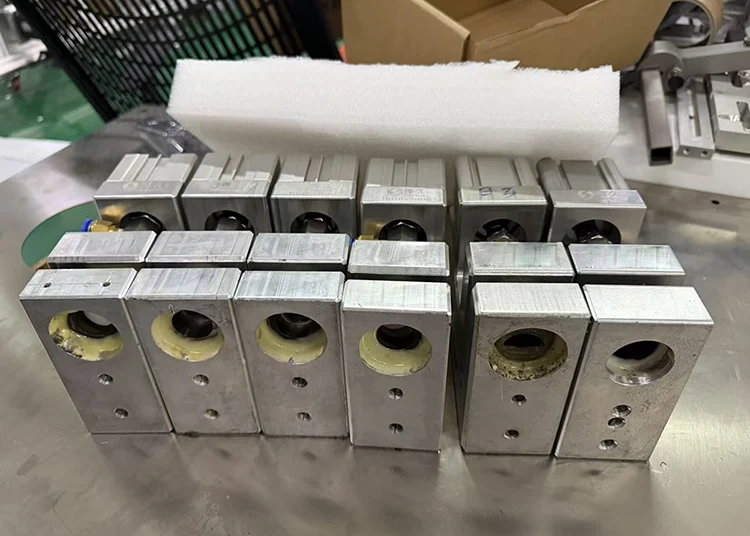
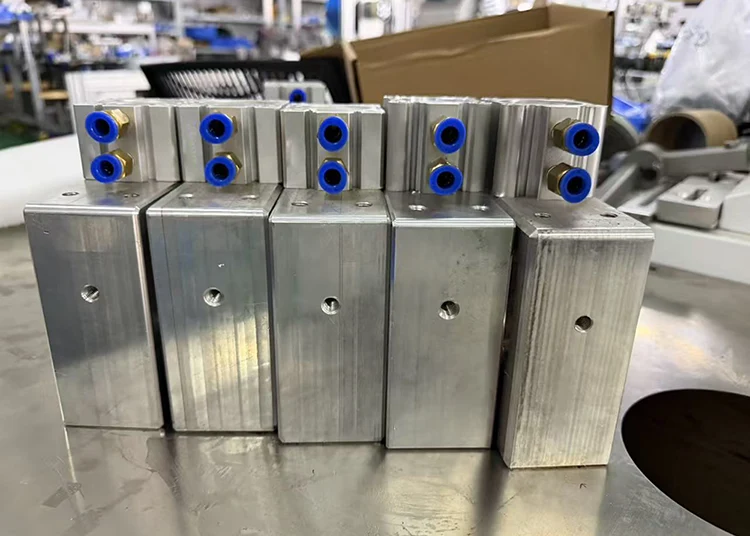
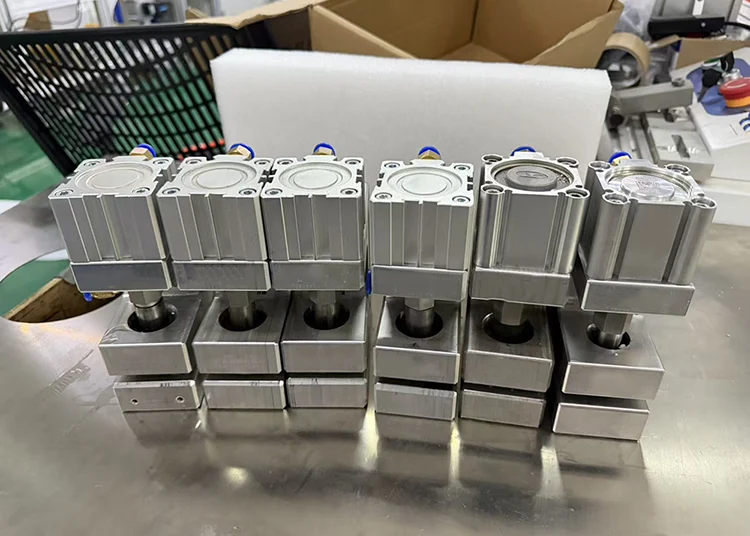
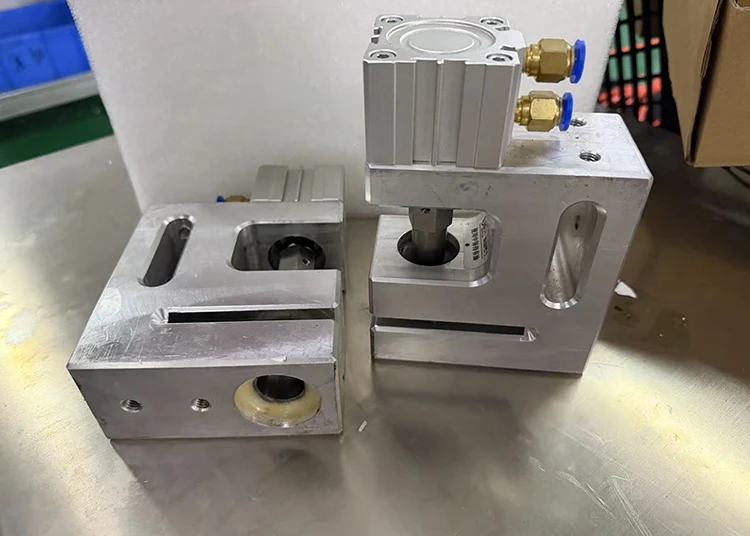
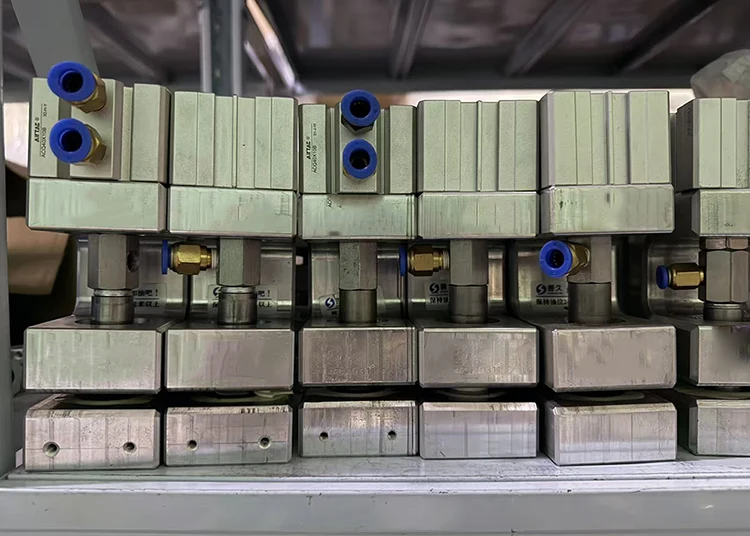
The Pneumatic Punching Die of China Junssen Intelligent Company can be classified into various types based on the shape of the punching holes, including round holes, sawtooth holes, butterfly-shaped holes, single holes and multi-holes, etc. According to customer requirements, special molds for specific shaped holes can be customized. The core components of the complete set of molds include the cylinder body, punch, guide sleeve, lower mold and mold base.
The diameter ranges from 1 to 80 mm. It is suitable for透气孔in PE, PO, OPP, PVC, PPE, CPE and other types of plastic bags, as well as hook holes for stationery bags and food bags. It can break single-layer plastic bags with a thickness of 0.02 mm.
This equipment is suitable for punching holes in products such as PE, PO, PP, OPP, PVC, PPE, PPU, CPE type plastic bags, breathable films, reflective films, hook holes, and hanging clips. It can also punch through single-layer plastic bags with a thickness of 0.02mm.
The aircraft hole punching machine is a type of punching mold for a plastic bag punching device driven by pneumatic power. It receives signals from the computer of the bag-making machine and then operates through an electromagnetic valve. Its structure is similar to a cold stamping mold and is suitable for products made of materials such as PE, PP, OPP, PO, PVC, PPE, and CPE. It can punch through single-layer plastic bags with a thickness of 0.02mm.
The hand-holding hole punching machine is suitable for punching holes in shopping bags, rice bags, laundry detergent bags, and various plastic bags and paper bags that require hand-holding functionality. It can punch through single-layer plastic bags made of materials such as PE, PP, OPP, PO, PVC, PPE, and CPE, with a material thickness of 0.02mm.
We can produce various special-shaped holes, multi-mode holes, etc. according to customer requirements (such as R-shaped, triangular, trapezoidal and other beveled holes for photo album cases, punching machines for cutting bevel holes for rectangular and trapezoidal shapes, cutting hole punching machines with beveled edges for photo album holes, tear-off molds for tear-off holes, 11-hole molds, 12-hole molds, 27-hole molds, 29-hole molds, 30-hole molds, 37-hole molds, 39-hole molds, etc. for multi-hole molds, suitable for punching holes in photo album cases, A4 document bags, white strips, CD inner pages, business cards, medical packaging bags and various paper products). We can also punch through various plastic films up to 0.02MM thick.
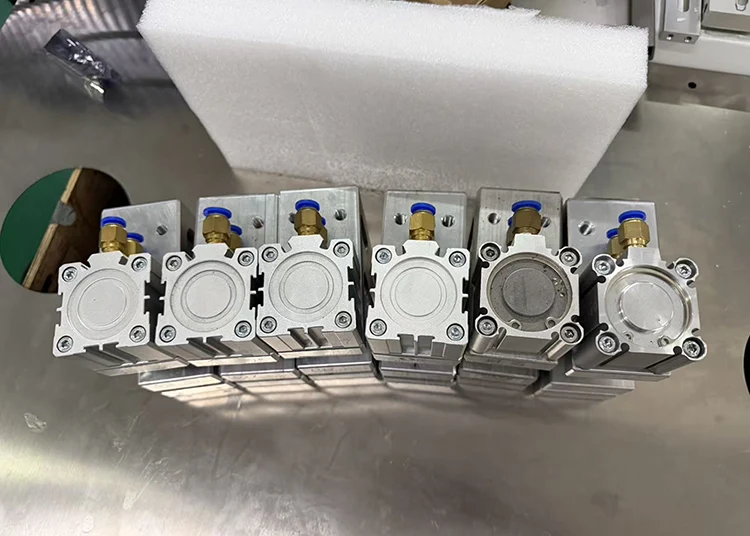
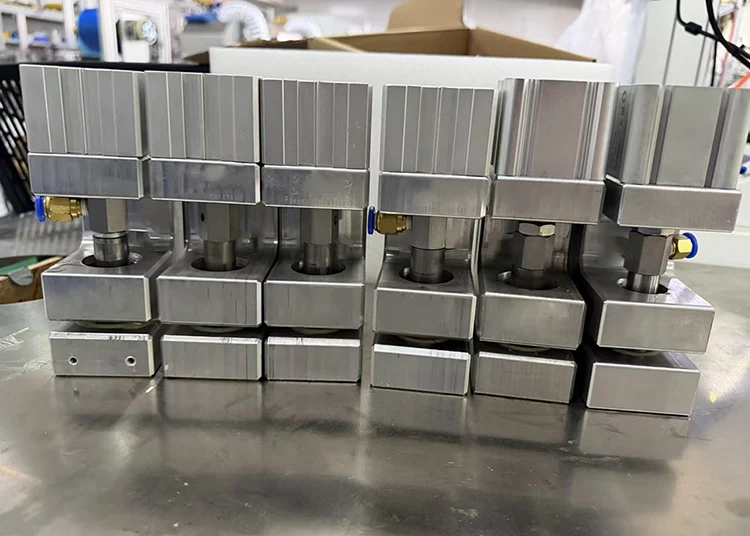
The Plastic Bag Hole Punch Machine is made of precision cast alloy materials, with steel being the main component. Its design emphasizes precision, stability and wear resistance. The punching power is provided by high-precision cylinders, and the structure is adapted to the requirements of high-speed punching. The action frequency is high, and the service life is long. It is suitable for various heat sealing and cutting machines (R machines, flat belt machines), bottom sealing machines, bag-making machines, three-side sealing machines, middle sealing machines, as well as machines for producing plastic film bags, paper-plastic bags or independently used by foot-activated valves.
|
Comparison Item |
Pneumatic Punching Die |
Pneumatic Full-Cutting Die |
|
Processing Purpose |
Only punches holes or partial notches on the material, the main body of the material remains connected, does not separate the workpiece from the base material |
Cuts through the entire thickness of the material, completely separates the finished workpiece from the base material, and obtains independent finished products |
|
Cutting Depth |
Partial cutting or through-hole punching only. For punching applications, the blade penetrates the full thickness of the material to form a hole; for partial punching processes, only partial material penetration is required |
Full-thickness penetration, the blade must cut through all layers of the material to achieve complete separation of the workpiece |
|
Material Application |
Commonly used for processing thin sheets, films, non-woven fabrics, paper products, where only hole positions are required without separating products, such as punching ventilation holes in packaging bags, positioning holes in paper cards |
Suitable for cutting independent finished workpieces from raw materials, such as cutting stickers, labels, small gaskets, mobile phone accessories from raw material rolls |
|
Structural Design |
Only needs to arrange punching blades at the hole positions, the overall structure is simpler, the blade area is small, and the manufacturing cost is lower |
Blades need to be arranged along the entire outer contour of the workpiece, the structure is more complex, the total length of the blade is larger, and the manufacturing accuracy requirements are higher |
|
Required Pneumatic Output |
Because the cutting area is small, the required punching force is small, and the required air pressure and cylinder thrust are lower |
The total cutting area is large, requires greater cutting force, needs larger thrust cylinders and higher working air pressure |
|
Processing Efficiency |
Single processing time is short, can complete multi-hole punching at one time, higher efficiency for hole processing tasks |
Single cutting resistance is large, processing time per stroke is slightly longer, but it can obtain complete finished products in one go without subsequent separation processes |
|
Product Edge Quality |
Only the edge of the punched hole has cutting marks, the main body edge of the material is not processed, there is no burr problem in the main body |
The entire outer contour of the workpiece has cutting edges, higher requirements for blade sharpness and die matching, poor matching will easily cause burrs on the edge of the workpiece |
|
Application Scenarios |
1. Punching ventilation holes in flexible packaging bags |
1. Die-cutting independent labels and stickers from base material rolls |
|
Post-Processing Requirements |
The material still remains as a whole roll or whole sheet, usually requires subsequent full-cut processing or other processing procedures, the semi-finished product after processing is still continuous |
The workpiece has been completely separated, only need to collect the finished product and clean up the waste, no additional full-cut separation process is required |
|
Die Cost |
Lower, due to less blade material, simpler processing, shorter manufacturing cycle |
Higher, due to longer total blade length, higher contour processing accuracy requirements, higher material and processing costs |
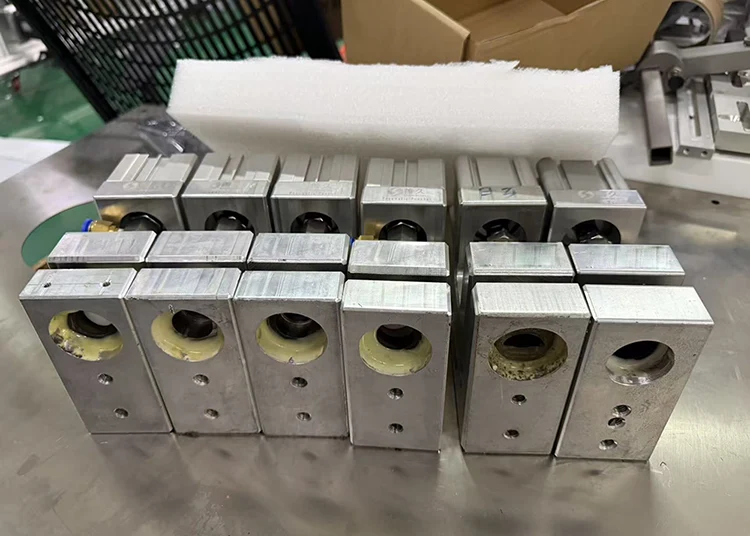
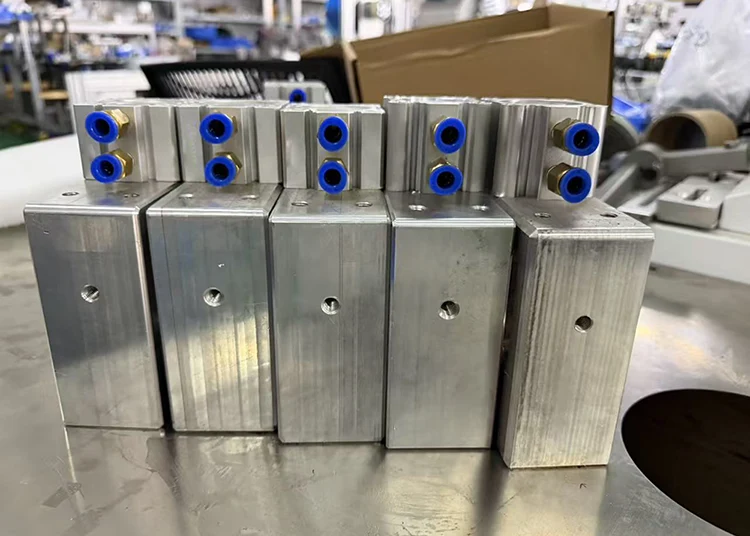
A: The service life depends on workpiece material, punching clearance, daily maintenance and punching air pressure.
A: Yes. It wears slowly when cutting soft materials like hydrogel pads, medical dressings and non-woven fabrics.
A: Lubricate moving parts regularly, clean residual waste after use, and regrind blunt cutting edges timely.
A: Unmatched clearance will speed up abrasion of the mold’s cutting edge and produce burrs on products.
A: Yes. Continuous over-rated air pressure aggravates fatigue wear of internal mold parts. Match pressure to material thickness.
A: Adjust positioning → fix workpiece → trigger pneumatic punch → reset punch → inspect finished parts.
Copyright © 2026 Xiamen Junssen Intelligent Technology Co., Ltd. All Rights Reserved.
Links Sitemap RSS XML Privacy Policy