

Copyright © 2026 Xiamen Junssen Intelligent Technology Co., Ltd. All Rights Reserved.
Links Sitemap RSS XML Privacy Policy
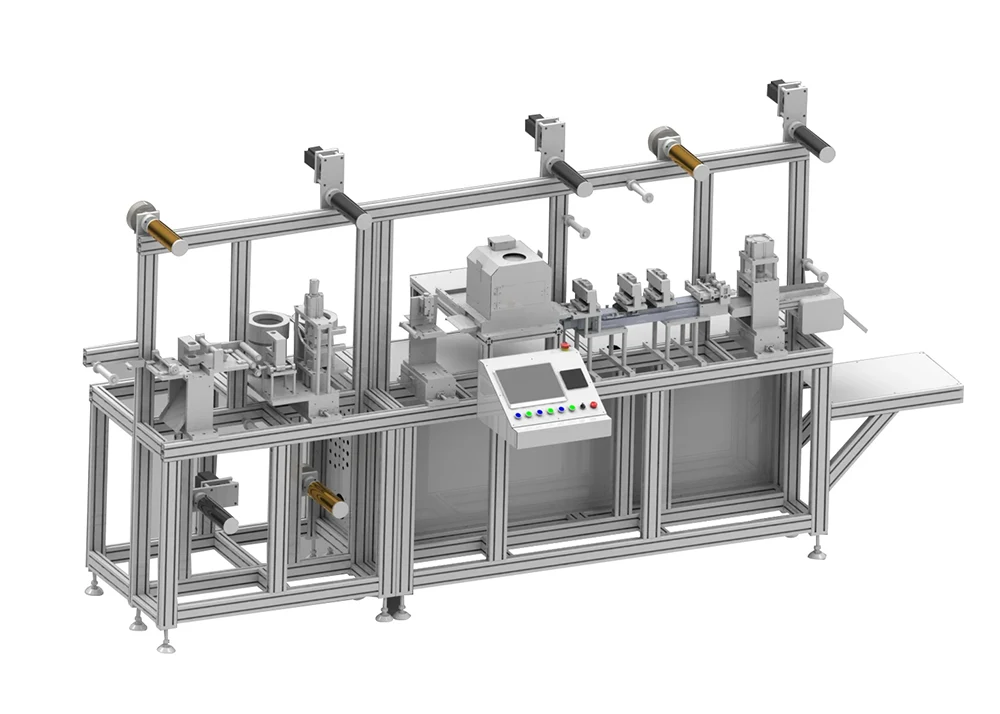
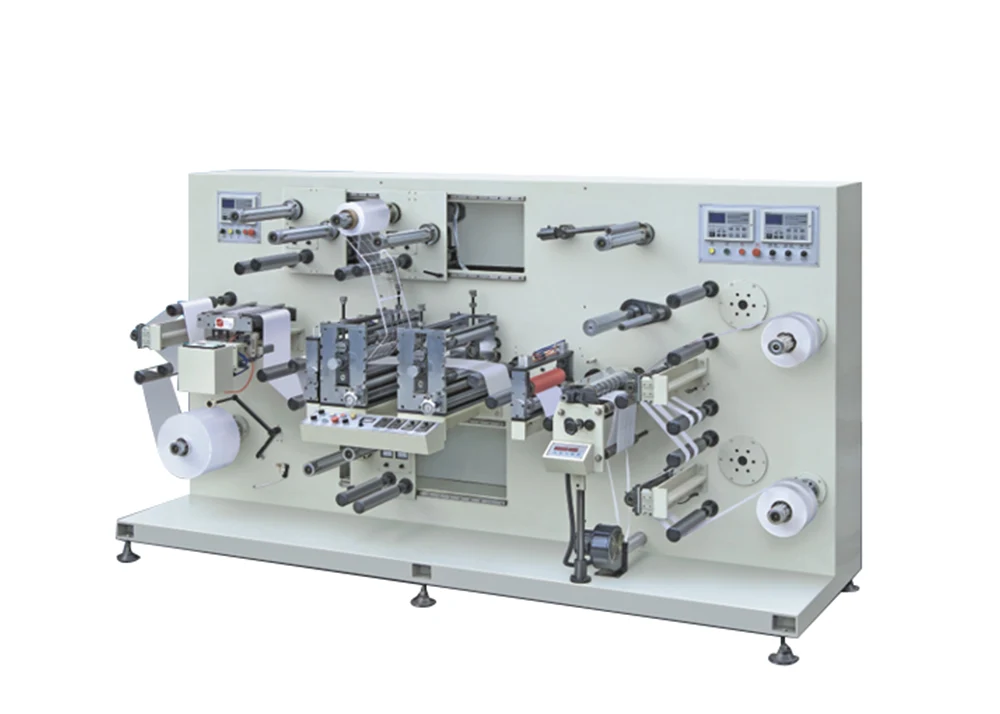
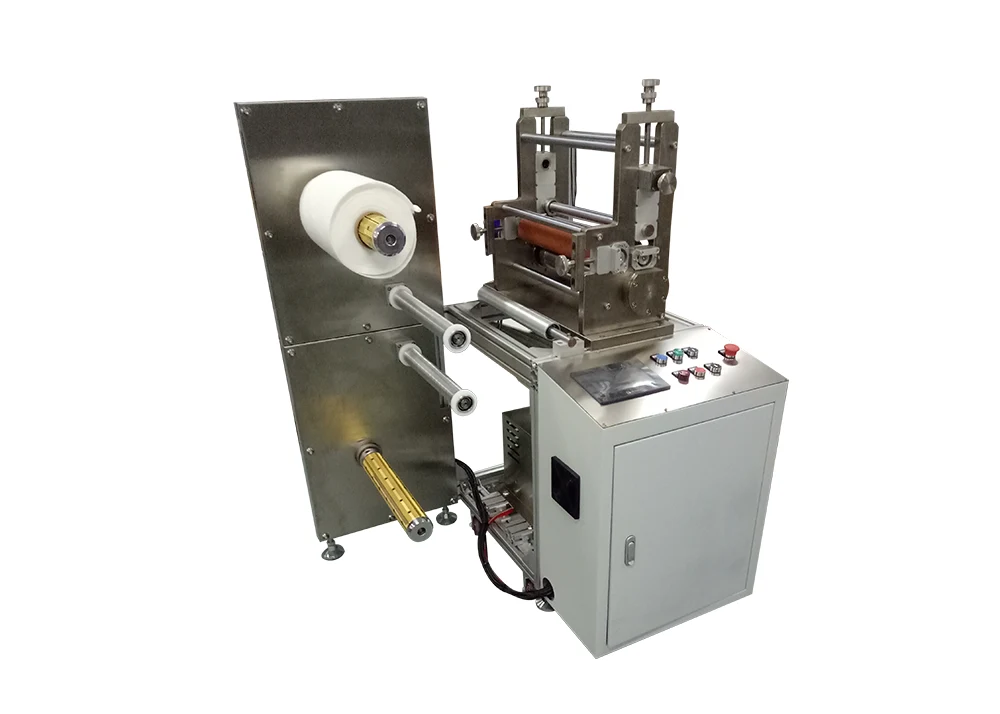
Junssen is a Manufacturer of round die-cutting machines. The Hydrogel Die Cutting Machine is a specialized equipment that performs continuous die-cutting processing on roll-type materials through the rotation of circular die rollers. It belongs to the sub-category of post-print processing equipment in the light industry machinery sector.
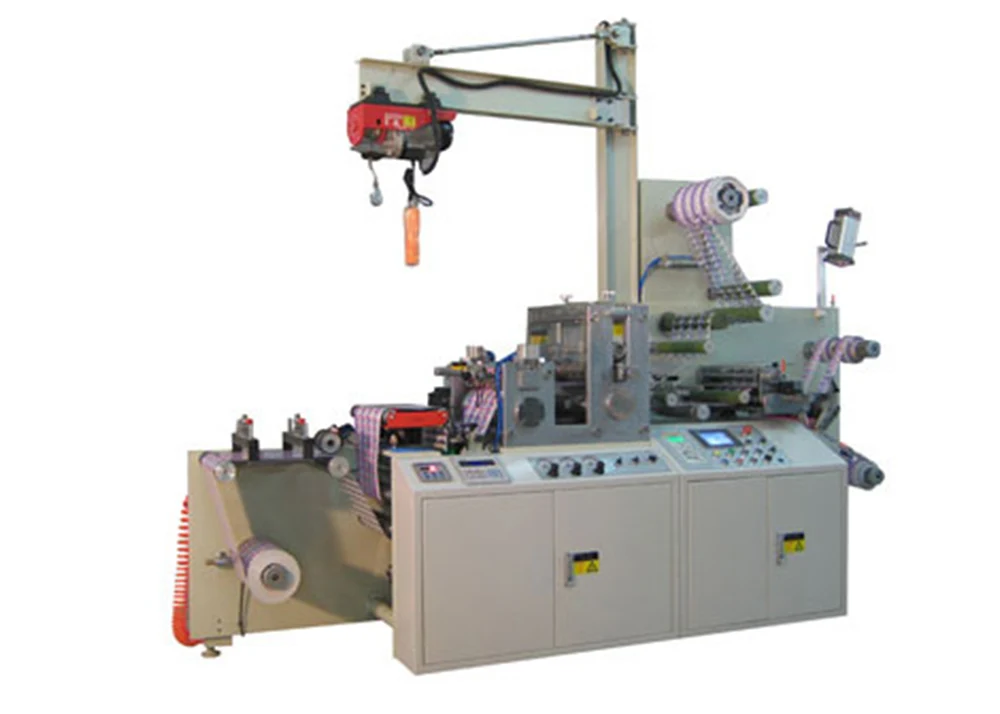
The overall structure of the rotary die cutting machine consists of six major parts: unwinding unit, feeding traction unit, die cutting main unit, waste discharge unit, winding/slicing unit, and electrical control unit. Each unit contains multiple sub-functional components. The components of the Multi-Station Rotary Die Cutting Machine work collaboratively to achieve continuous processing.
The unwinding unit serves as the raw material input port for the equipment. Its primary function is to steadily feed the roll material to be processed, preventing tension fluctuations that could affect die-cutting accuracy. Depending on the form of the raw material, there are two types of structures: single-roll unwinding and multi-roll unwinding:
The feed and tension control unit is responsible for steadily conveying the material from the unwind unit to the die-cutting station. Its primary function is to eliminate fluctuations in unwind tension, ensuring that the material entering the die-cutting station maintains constant tension and a stable feed speed
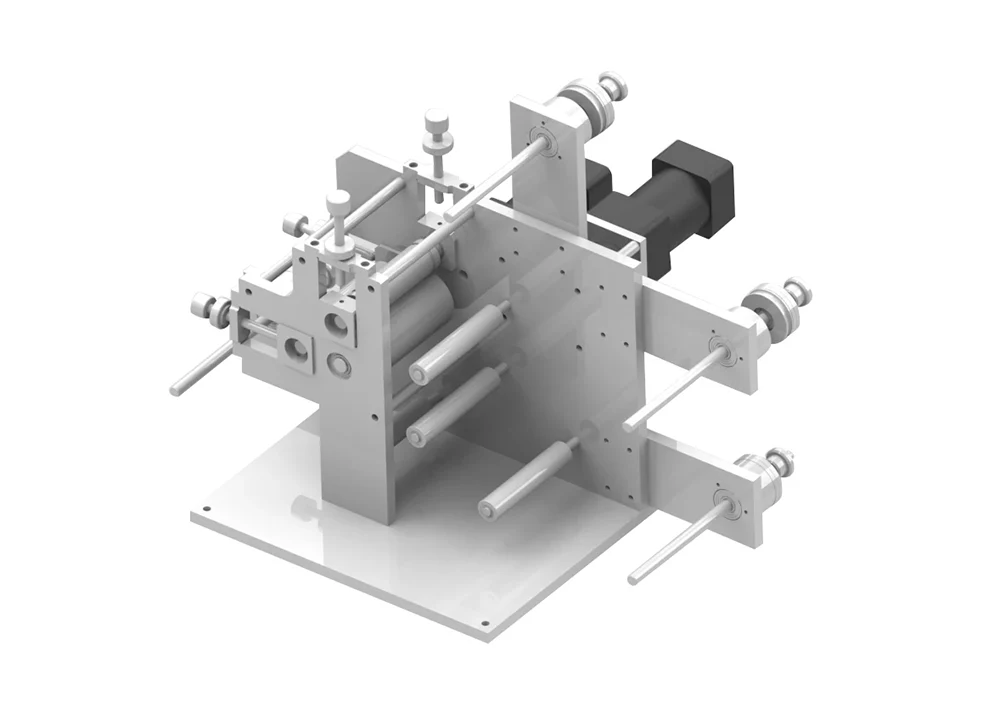
The die-cutting main unit is the core processing unit of a rotary die-cutting machine; all die-cutting and forming operations are performed here. Its core components include the die roller, the backing roller, the pressure adjustment mechanism, and the die holder body
After die-cutting is complete, excess waste material must be separated from the finished product and removed. Depending on the form of the waste, waste removal units are classified into two types: edge waste removal and inner hole waste removal
After waste removal, the finished product can be output in two ways depending on requirements
The electrical control unit serves as the“brain”of the equipment, coordinating the operation of all components and controlling processing accuracy and speed
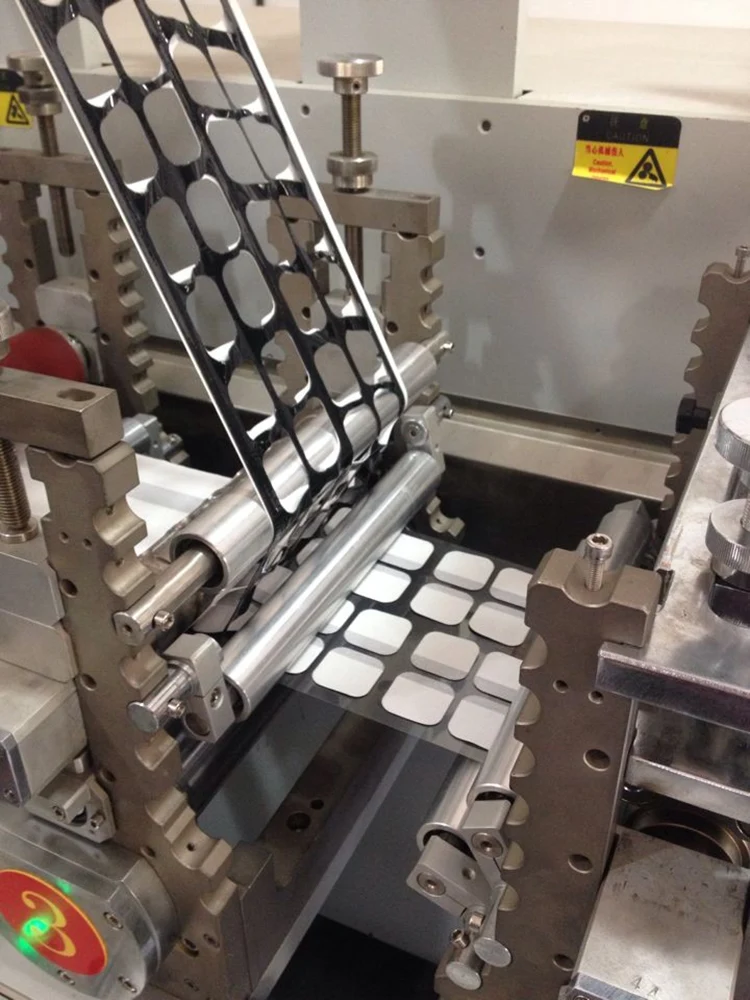
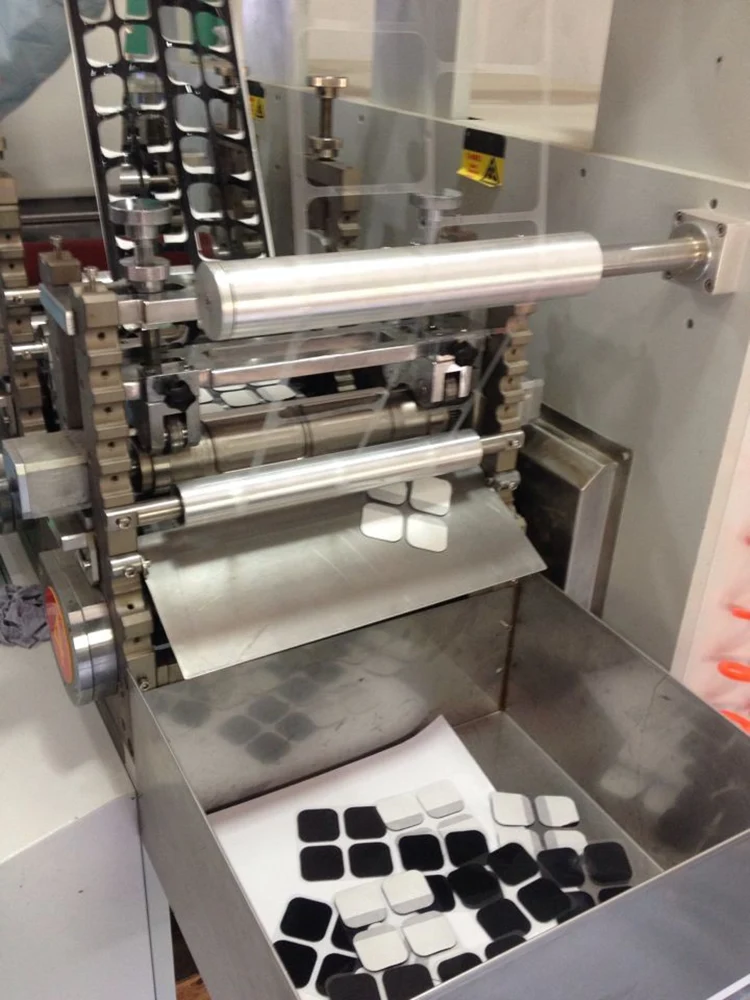
The unwinding unit is the input port for raw materials in the equipment. Its main function is to steadily release the raw material rolls to be processed, avoiding tension fluctuations of the rolls that may affect the die-cutting accuracy. According to the shape of the raw materials, it is divided into single-roll unwinding and multi-roll unwinding structures. The unwinding frame is divided into fixed type and air-expand type. Usually, it is combined with a magnetic powder brake to achieve tension control. The air-expand shaft relies on air pressure to control the expansion of the key to fix the roll core of the material. During material replacement, the pressure is released to quickly remove the core. The replacement efficiency is much higher than that of the fixed type shaft. The tension controller is divided into manual tension and automatic tension. Conductive Gel Sheet Die Cutter uses vector frequency automatic tension control, which can adjust the braking torque in real time according to the change in the roll unwinding diameter to maintain a constant unwinding tension and avoid the material from breaking due to excessive tension in thick materials or wrinkling due to insufficient tension in thin materials.
Circular knife die-cutting mainly consists of full-cut and half-cut processes. They are suitable for Medical Gel Converting Lines:
1. Full-cut process: Completely cuts the material. This is mostly used for forming processing on the outside of the finished product. The die-cutting pressure needs to be precise to ensure that all positions can be cut, and excessive pressure should be avoided to prevent damage to the bottom roller and reduce the lifespan of the cutting tool.
2. Half-cut process: Only cuts the upper layer of the material. It does not require cutting the release paper or the base film. It is the most commonly used processing method. The equipment pressure regulation accuracy is required to be high, and the die-cutting depth should be uniform to avoid problems such as incomplete cutting or cutting through the release paper.
1. Medical consumables production, products such as children and adults' fever relief patches, sports cold compress ice patches, post-operative swelling reduction cold compress patches, wrist/ankle cooling patches, shoulder-neck-lumbar pain relief patches, joint cold compress patches, rheumatism relief patches, sports muscle relief patches, hydrogel wound moisturizing dressings, sterile ulcer patches, burn moisturizing and repair patches, medical scar fading patches, acne patches, leg relaxation patches for varicose veins, transdermal drug delivery patches at acupoints, etc.
2. Cosmetics and personal care cosmetics factory, producing eye care gel patches, masks, lip masks, blackhead patches, etc.
3. Household health care product factory, mosquito repellent water gel patches, sleep calming cold compress eye patches, moxibustion cooling and buffering water gel pads, shaping and slimming fiber patches, motion sickness cold compress water gel patches, etc.
4. 3C electronic retail stores, mobile phone repair shops, mall film coating counters, mobile phone accessory supermarkets, Hydrogel Patch Cutting Machine can cut TPU hydrogel flexible protective films, mobile phone curved full-screen hydrogel soft films, tablet/watch/headphone flexible protective films, body back stickers, lens hydrogel protection patches.
5. Emerging industries and flexible electronic niche scenarios, flexible circuit hydrogel conductive pads, wearable device skin-contacting electrode gel films; sports sensing equipment biocompatible hydrogel patches, physical therapy instrument conductive gel electrode patches; laboratory biological culture hydrogel carrier films, medical monitoring equipment skin-contacting gel pads.
A Hydrogel Die Cutting Machine is designed for precision cutting and shaping of hydrogel materials used in medical, healthcare, electronics, and wearable products. It helps manufacturers achieve consistent sizes, clean edges, and efficient production.
The machine is suitable for processing various hydrogel materials, including medical hydrogel sheets, conductive hydrogel films, adhesive hydrogel pads, and other flexible gel-based materials with different thicknesses and structures.
The equipment can be used to produce hydrogel electrodes, medical patches, skincare patches, wearable sensor components, and other customized hydrogel products according to different application requirements.
The equipment uses precise positioning and stable feeding systems to maintain consistent cutting performance. Proper pressure adjustment and customized cutting tools help achieve smooth edges and accurate product dimensions.
Yes. By changing cutting dies and adjusting production parameters, the machine can process various shapes, sizes, and designs to meet different customer product requirements.
Yes. The machine is suitable for both customized products and batch production. Junssen can provide equipment configurations based on material characteristics, production capacity, and specific application needs.
Yes. Junssen provides professional technical support, equipment installation guidance, operation training, and customized solutions to help customers maintain stable production performance.
Copyright © 2026 Xiamen Junssen Intelligent Technology Co., Ltd. All Rights Reserved.
Links Sitemap RSS XML Privacy Policy