

Copyright © 2026 Xiamen Junssen Intelligent Technology Co., Ltd. All Rights Reserved.
Links Sitemap RSS XML Privacy Policy
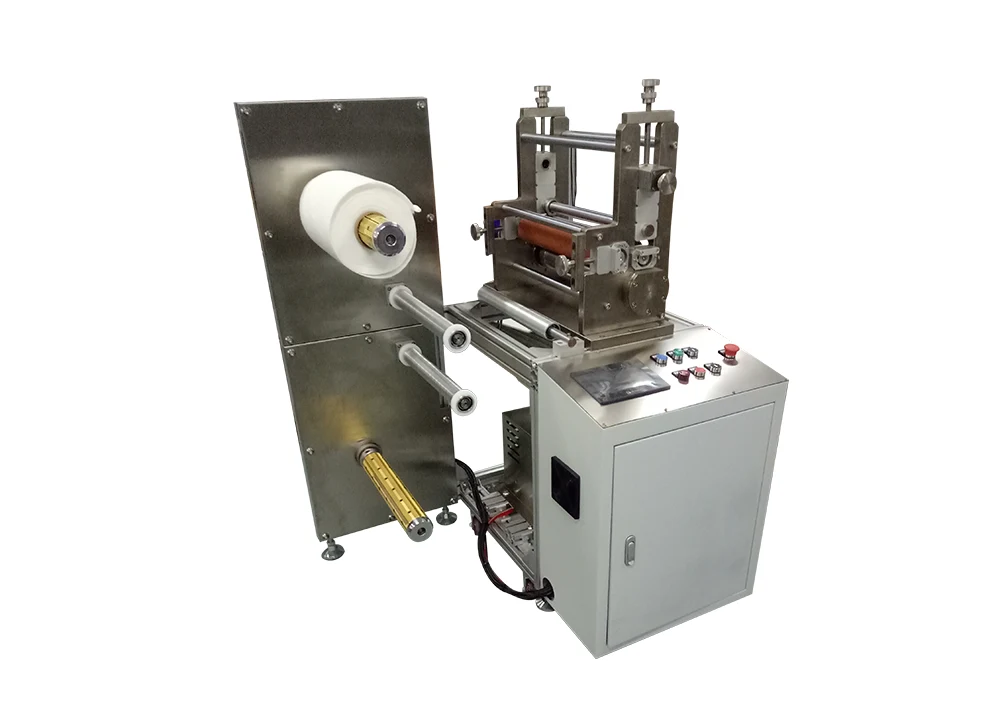
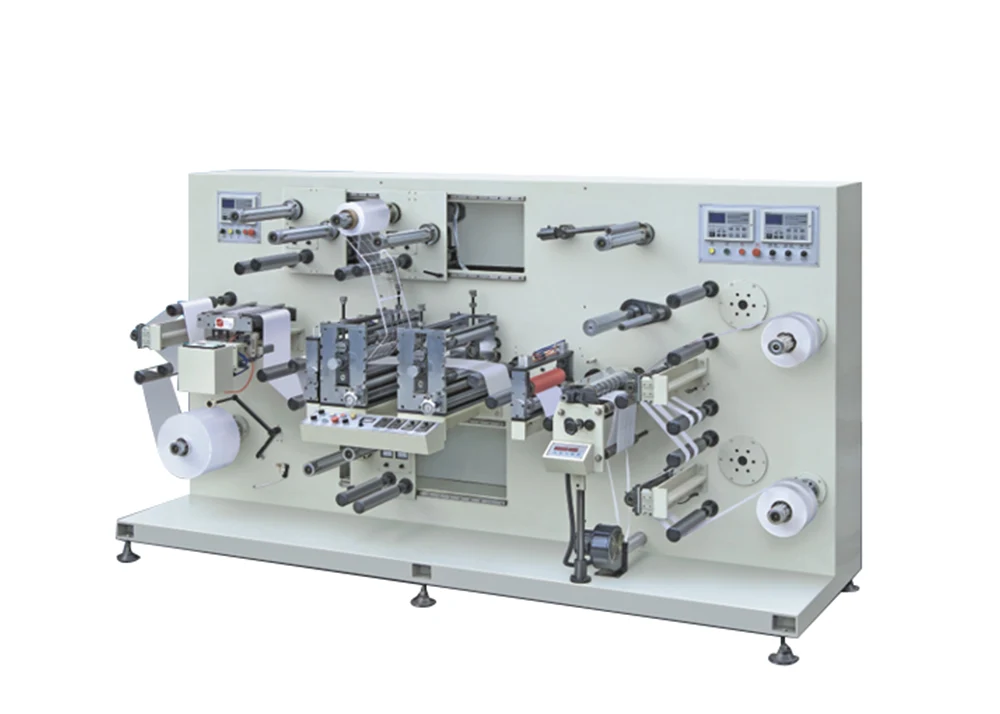
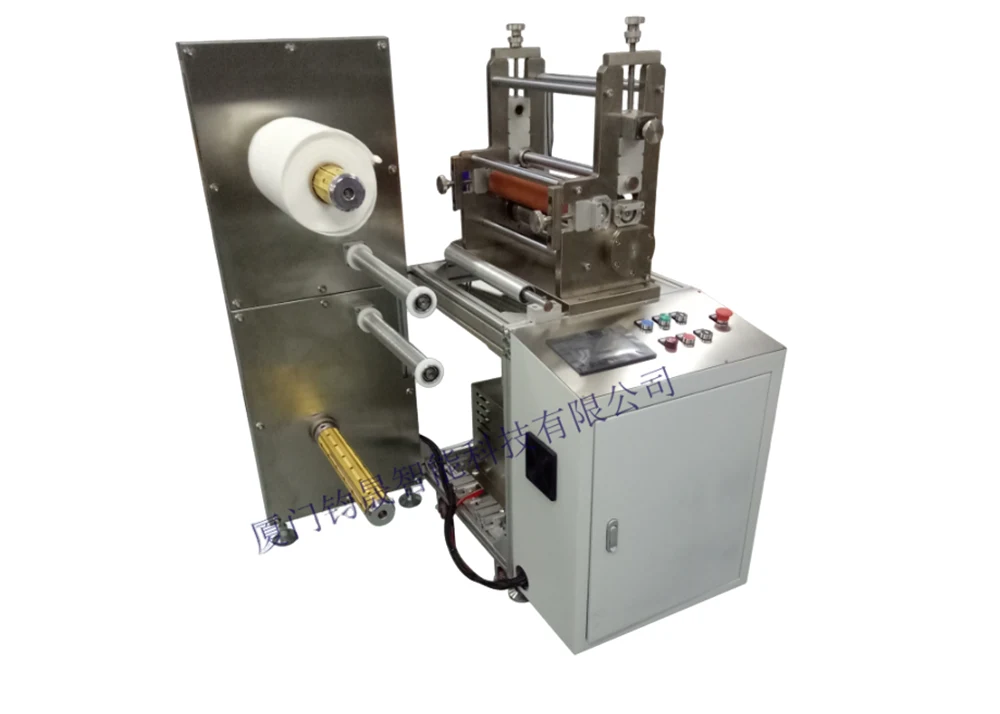
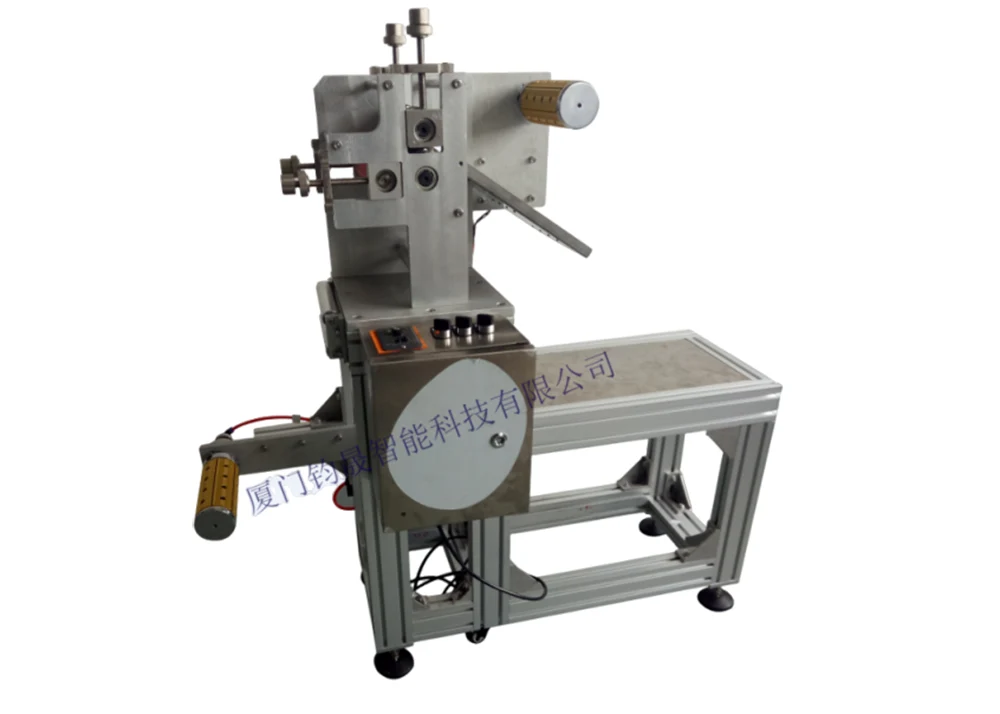
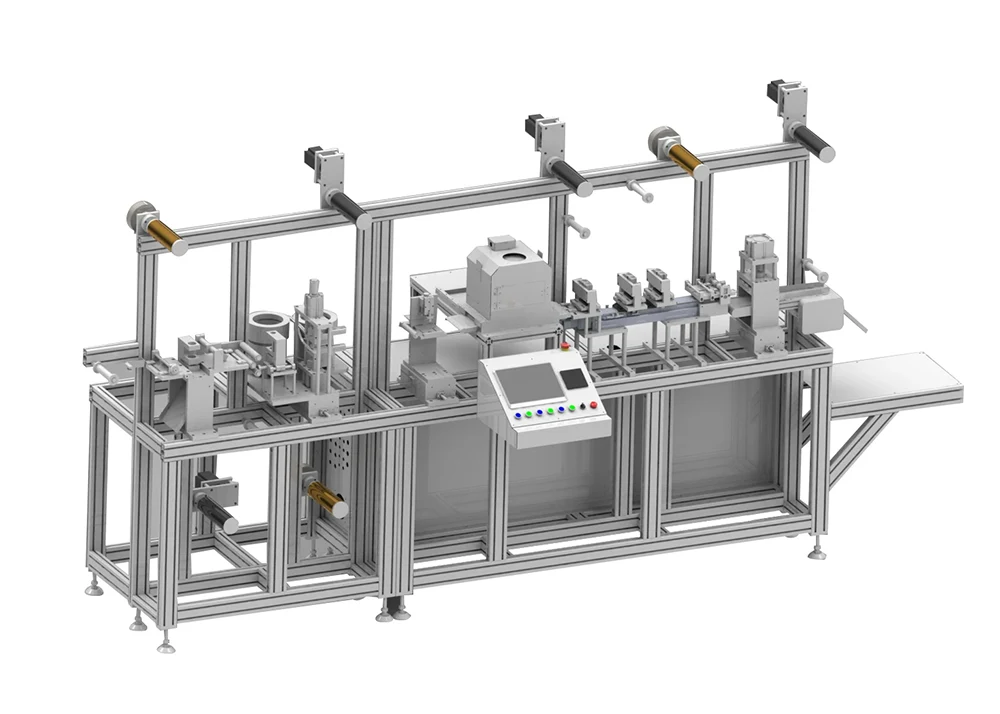
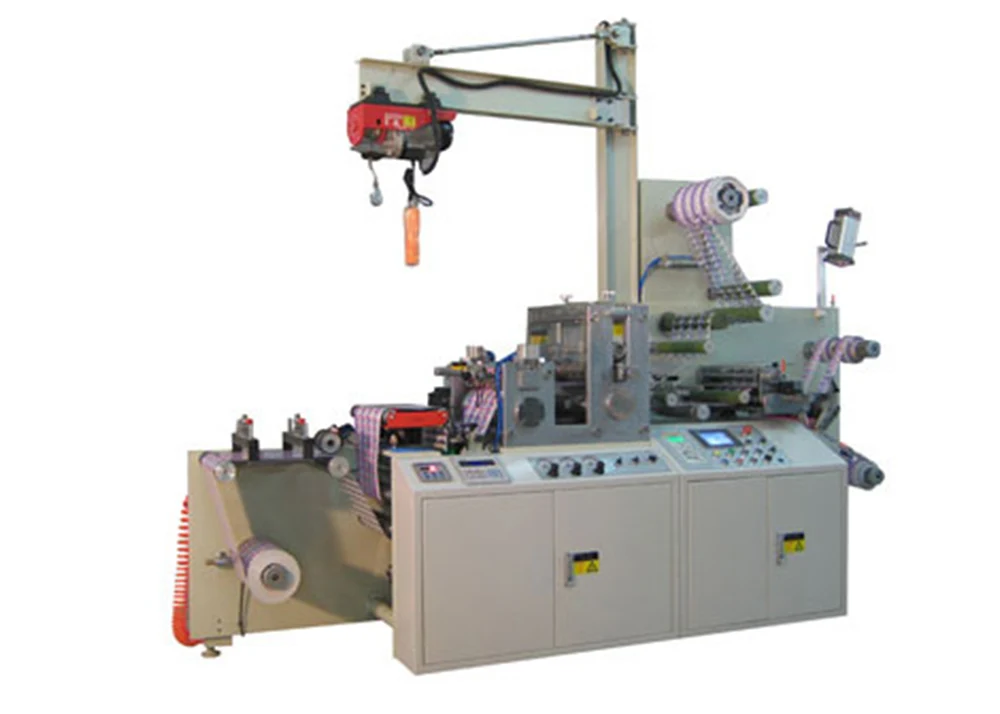
China Xiamen Junssen Intelligent Co., Ltd. is a manufacturer and supplier of round knife die-cutting machines. The operation of the Small Automatic Adhesive Die Cutting Machine adopts a computer touch-type industrial control computer, with graphic display, intuitive and clear, and the operation is convenient. It can be used simultaneously with a keyboard and mouse as well as by hand touching.
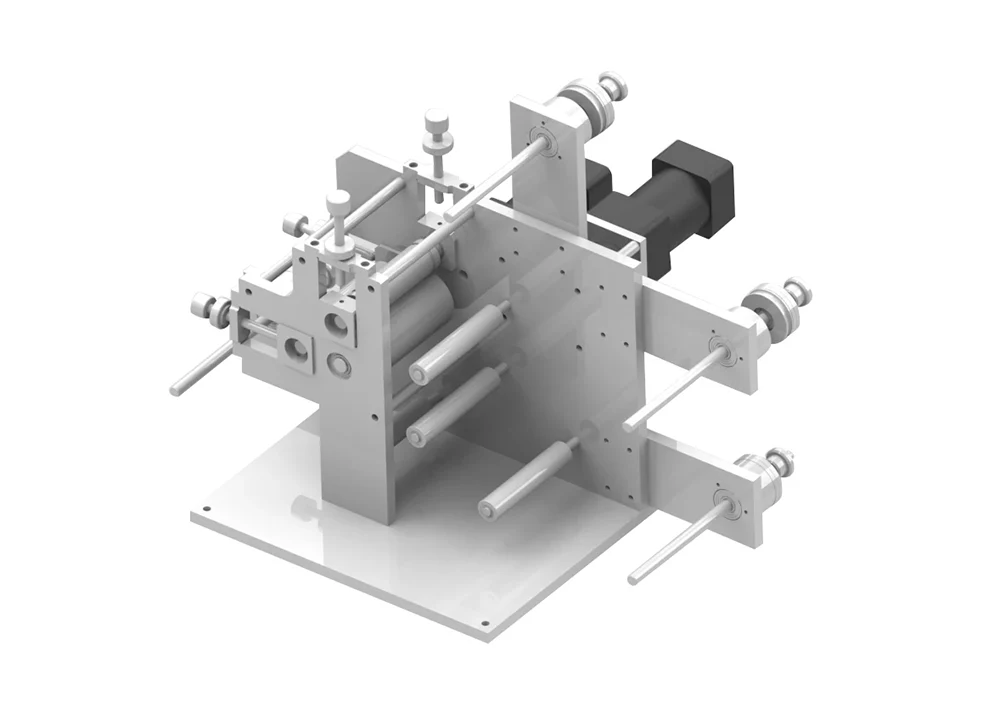
Die-cutting process is the most commonly used process in packaging printing. It involves using die-cutting knives to combine the product design patterns into die-cutting templates. The roller of Small Scale Automated Label Cutter is equivalent to the embossing roller, and pressure is applied during die-cutting; the other one is the roller knife mold. The roller knife molds are divided into two major categories: wood and metal. The former is mainly used for die-cutting very thick corrugated cardboard, while the latter uses metal roller knife molds processed by chemical etching or electronic engraving, mainly for die-cutting of self-adhesive labels and trademarks. There is also a metal roller knife mold mainly used for medium and high-end long-line products, which adopts a press-cutting or shearing form.
The main process of the Compact Auto Sticker Press: loading the plate→adjusting the pressure→Confirm the die template→attaching the substrate and auxiliary materials→testing the die-cutting→formal die-cutting and creasing→waste removal→rolling up the finished product or cutting into sheets→counting and packaging.
This initial preparation step refers to installing the customized roller knife mold onto the machine’s mold mounting shaft. Operators fix the engraved metal roller die by locking the air-expansion shaft to ensure the cutting template stays concentric without lateral shaking. The machine’s quick-release mold structure enables fast disassembly and replacement of different shape molds, greatly shortening model switching time for various label specifications.
After mold installation, users fine-tune the vertical pressing force of the die cutting roller via the touch screen control system. The pressure value is adjusted according to the thickness, hardness and viscosity of raw materials such as coated paper, PVC film and self-adhesive foam. Appropriate pressure ensures complete penetration of the material layer without cutting through the release liner excessively, avoiding bottom paper breakage or incomplete label forming.
Operators visually inspect and calibrate the cutting contour of the roller die to match the target product drawing. The photoelectric positioning sensor is activated to align the mold cutting lines with the preset feeding track. This step verifies the dimensional accuracy of the die template, eliminates offset errors caused by mold installation deviation, and guarantees consistent size for all finished labels in subsequent mass production.
Raw material rolls (base self-adhesive substrate, release film, protective film or foam accessories) are mounted on the unwinding unit. The machine’s multi-layer lamination mechanism automatically fits the main substrate and auxiliary functional materials together under constant tension control. Silicone traction rollers prevent adhesive residue or material stretching during compounding, maintaining flatness of the composite sticker material before die cutting.
A small section of composite material is fed through the die cutting station for trial cutting. Operators check key indicators including edge smoothness, cutting depth, dimensional tolerance and adhesion status of the trial sample. If burrs, incomplete cutting or position deviation occurs, they adjust pressure, feeding speed or mold clearance in real time until the sample fully meets product quality standards before formal mass production.
The machine enters continuous automatic operation. The servo-driven roller die performs high-speed circular die cutting on the laminated material to form finished label outlines; an optional creasing attachment adds indentation lines for folding labels as required. Full servo synchronous linkage keeps stable feeding speed (20–120 m/min) and consistent cutting precision, supporting long-hour non-stop batch processing.
The independent waste winding unit automatically separates and collects leftover border waste and hole punching scraps after die cutting. Teflon-coated anti-stick waste rollers prevent sticky adhesive scraps from adhering and tangling. Real-time tension control pulls waste evenly without dragging finished labels, keeping the processing area clean and avoiding equipment downtime caused by waste blockage.
Two optional finished output modes are available to match different downstream demands. The rewinding mode winds complete labels onto a finished roll for continuous secondary processing; the cross-cut slicing mode automatically cuts roll materials into separate single label sheets with fixed length. Independent soft tension control protects the finished stickers from extrusion deformation or mutual adhesion.
Built-in automatic counting sensors record the total quantity of finished products in real time and display production data on the Delta touch screen. Once the preset production volume is reached, the machine can be set to auto-stop. Operators unload finished rolls or sheet stacks for manual inspection, sealing and packaging, ready for delivery to warehouse or customers.
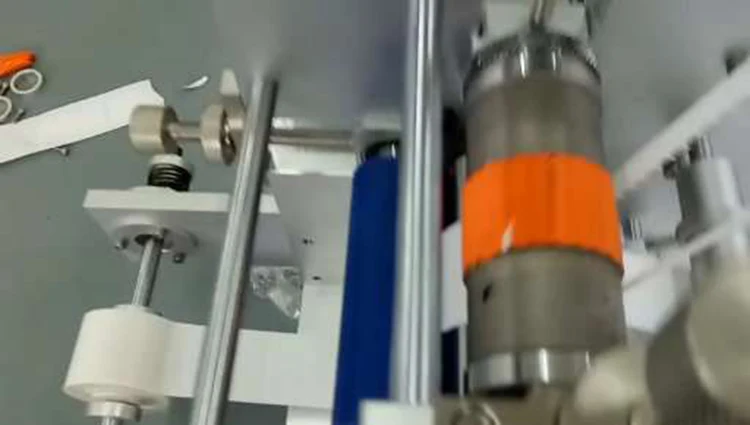
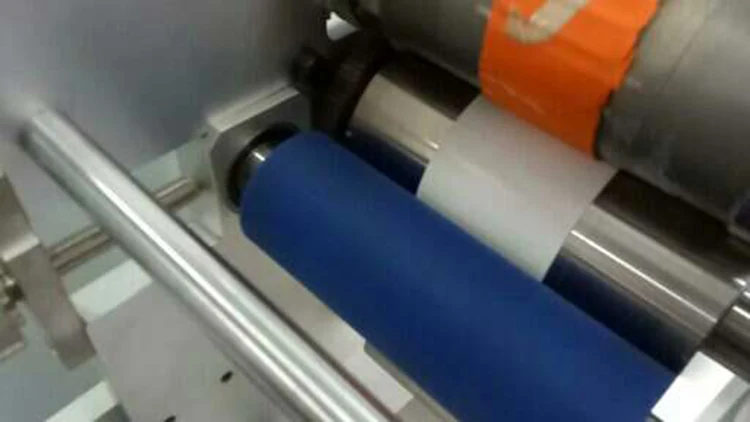
The Mini Automatic Die Cutting Unit is mainly applied in the following three fields:
1. Electronic products: mobile phones, computers, liquid crystal displays, digital cameras, LCD backlight sources.
2. Packaging materials: self-adhesive labels, trademarks, composite packaging materials.
3. Other industries: papermaking, films, wires and cables, food and clothing, etc.
It can process various adhesive materials, including double-sided tape, foam tape, protective films, labels, insulation materials, PET, and other flexible materials.
The automatic operation improves cutting accuracy, production efficiency, and product consistency while reducing manual labor and material waste.
Yes, it is ideal for small and medium-volume production, sample development, and customized adhesive component processing.
Yes, the cutting tools and machine settings can be customized according to different product designs, material thicknesses, and production requirements.
It is widely used in electronics, automotive, medical, packaging, and other industries that require precise adhesive parts and functional material processing.
Yes, it features a user-friendly control system and simple maintenance requirements, helping ensure stable operation and efficient production.
Copyright © 2026 Xiamen Junssen Intelligent Technology Co., Ltd. All Rights Reserved.
Links Sitemap RSS XML Privacy Policy